
What is Osgood-Schlatter Disease?
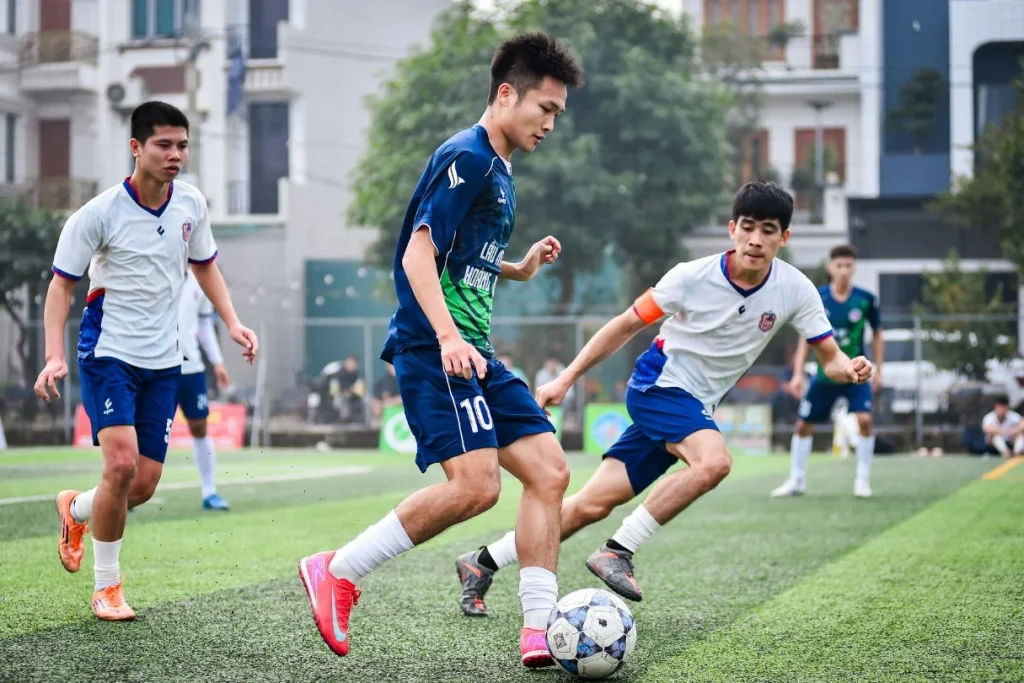
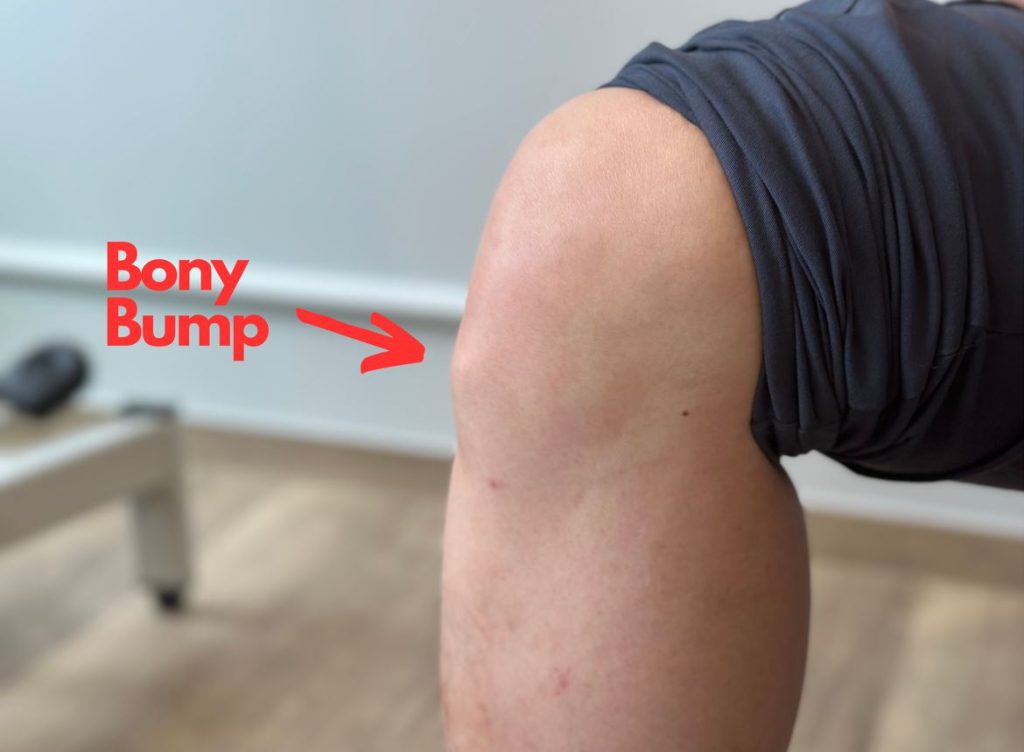
Osgood-Schlatter disease (OSD) is a type of osteochondrosis that causes knee pain in children and adolescents, typically between the ages of 10 and 15. It results from an inflammation of the tibial tuberosity, the bony bump below the kneecap (patella). The condition primarily affects adolescents experiencing a growth spurt and active in running and jumping sports.
Causes of Osgood-Schlatter Disease
The primary cause of Osgood-Schlatter disease is the repeated traction and stress that the patellar tendon places on the growth plate at the tibial tuberosity during growth spurts. This tension increases significantly when the quadriceps muscles contract during running or jumping. The risk factors for developing OSD include:
- Growth: Sudden growth spurt in height causes the tension of the patellar tendon to increase.
- Physical activity: Running and jumping sports such as basketball and football can increase the risk of developing OSD.
- Gender: Boys suffer OSD more commonly than girls, which may be due to participation in high-impact sports.
Need Help? See A Podiatrist Today
Symptoms of Osgood-Schlatter Disease
OSD causes pain and tenderness at the tibial tuberosity below the kneecap. Other typical symptoms also include:
- Swelling and inflammation around the tibial tuberosity
- Pain that worsens during and after physical activity
- A noticeable bony bump at the tibial tuberosity
- Stiffness of the affected knee joint
Diagnosis of Osgood-Schlatter Disease
Treatment Options in Singapore
The goal of Osgood-Schlatter disease treatment for OSD is to alleviate pain and inflammation and allow the growth plate to heal. Treatment options in Singapore include:
- Reducing physical activity: This will reduce stress on the tibial tuberosity.
- Ice: This will help ease the inflammation and relieve pain.
- Pain relievers: Over-the-counter anti-inflammatory drugs may help, but it is best to consult a doctor before taking them.
- Muscle strengthening and rehabilitation: We highly recommend exercises to improve flexibility and strengthen the muscles around the knee.
- Custom orthotics: Custom insoles may help to reduce the stress on the knee by altering the biomechanics
Prognosis
Conclusion
Frequently Asked Questions on Osgood-Schlatter Disease
How can I prevent my child from getting Osgood-Schlatter Disease?
- Post-activity recovery: Always do proper warm-ups before exercises and stretch after.
- Appropriate footwear: Wear shoes suitable for the sports you are participating in.
- Form: Ensure that you have the right techniques when performing sports
- Increase intensity gradually: Avoid a sudden increase in activity such as duration, frequency or level of intensity.
- Sufficient rest: Having rest days are crucial in preventing injuries.
- Listen to your body: Stop physical activity if you are experiencing pain.