
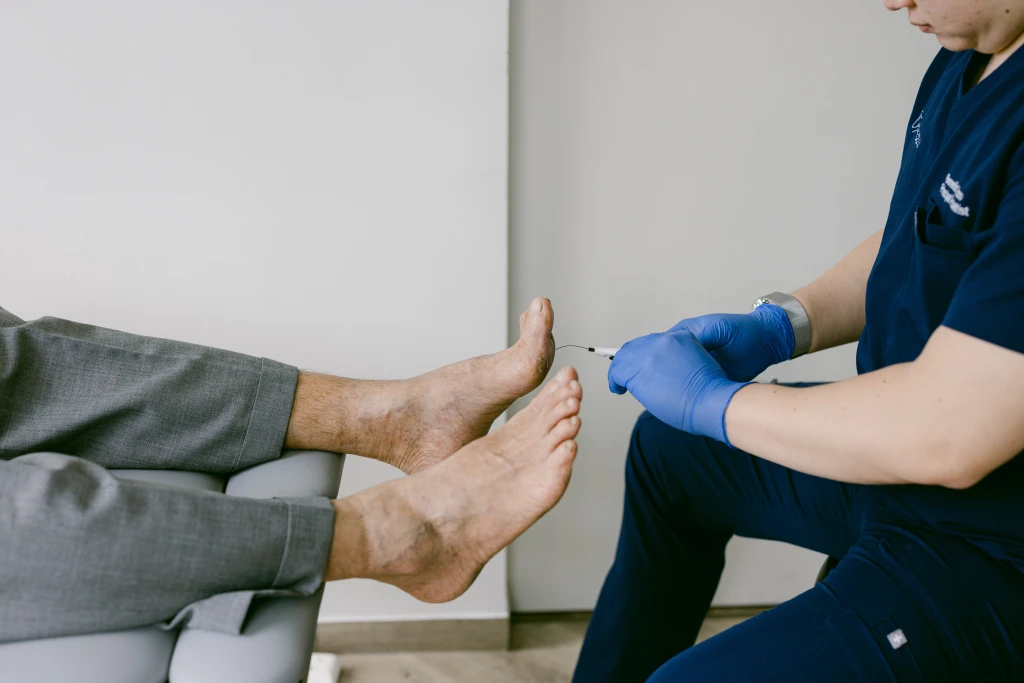
Diabetic peripheral neuropathy (DPN) is nerve damage caused by long-standing high blood sugar. It is one of the most common complications of both type 1 and type 2 diabetes and affects the longest nerves in the body first, which is why symptoms usually start in the feet and gradually move up the legs. Some people notice burning pain or tingling. Others notice nothing at all, which is part of what makes DPN dangerous: a foot that has stopped feeling injury is a foot that is at risk of unnoticed wounds, infection, and structural damage.
DPN is not managed at a single specialist clinic in Singapore. Blood sugar control sits with endocrinology and family medicine, who lead on the underlying diabetes. Neurology may be involved when symptoms are severe or atypical. Podiatry sits on the foot side: screening for nerve and circulation changes, protecting the foot from pressure damage, treating skin and nail problems before they become wounds, and providing the ongoing review schedule that catches problems early. The three roles run in parallel rather than one replacing the others.
Symptoms of Diabetic Peripheral Neuropathy
- Numbness, tingling, or a “pins and needles” feeling in the toes and feet
- Burning or shooting pain, often worse at night
- Reduced ability to feel temperature, pressure, or a cut in the skin
- Loss of balance or coordination, particularly in the dark or on uneven ground
- Weakness in the foot or small muscle wasting that changes toe shape over time
- Skin changes such as dry, cracked skin from reduced sweating
Symptoms usually start in both feet and progress slowly. Sudden or one-sided numbness is less typical of DPN and should be assessed promptly to rule out other causes.
Causes of Diabetic Peripheral Neuropathy
What Causes Diabetic Peripheral Neuropathy
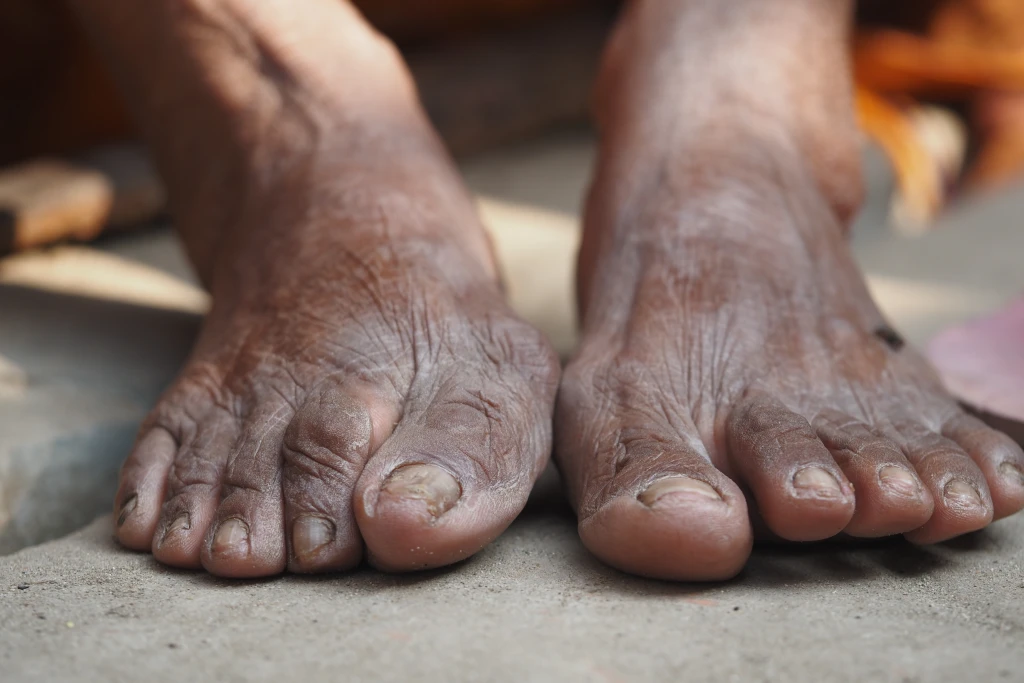
DPN develops when blood sugar stays above target for years. High glucose damages the small blood vessels that supply nerves, and the nerves themselves are affected directly by glycation of nerve proteins. The longest nerves are most vulnerable, which is why the feet are usually affected first and most severely. The damage is gradual: many people have measurable nerve changes before they notice any symptoms, which is why diabetic foot screening is recommended even in patients who feel fine.
Who Carries a Higher Baseline Risk?
- People with long-standing type 1 or type 2 diabetes
- People with HbA1c that has been above target for years
- People with chronic kidney disease related to diabetes
- People with high blood pressure or high cholesterol alongside diabetes
- People who smoke
- People who drink alcohol heavily
- People of older age, where nerve repair is slower
Conditions Commonly Mistaken for Diabetic Peripheral Neuropathy
Tingling and numbness in the feet are not always diabetic in origin. In a patient with diabetes, the assumption is often that all numbness is DPN, but a careful history and examination will sometimes find a second contributing cause that has its own treatment. Where the picture is atypical (one-sided symptoms, sudden onset, or weakness out of keeping with the sensory loss), assessment alongside the diabetes team or a neurologist is appropriate.
Vitamin B12 deficiency
A low vitamin B12 level can damage peripheral nerves and produce tingling, numbness, and balance problems that closely resemble diabetic neuropathy. It is worth screening for because it is reversible: correcting the deficiency can halt or ease the symptoms. B12 deficiency is more common in people on long-term metformin, which is why it is often checked in patients with diabetes who develop nerve symptoms.
Alcohol-related neuropathy
Regular heavy alcohol intake is itself a cause of peripheral nerve damage, producing a symmetrical numbness and tingling in the feet that can look identical to DPN. The distinguishing clue is the drinking history rather than the symptoms, and the two can coexist in the same person. Reducing alcohol intake and correcting the associated nutritional deficiencies is central to managing this type of neuropathy.
Lumbar spine nerve compression
Compression of the nerves in the lower back can refer symptoms into the legs and feet, causing numbness, tingling, or pain. Unlike DPN, which typically affects both feet symmetrically in a stocking distribution, nerve compression from the spine more often follows a one-sided or single-nerve pattern and may be linked to back pain or particular movements. Imaging of the spine is sometimes needed to confirm it.
Tarsal tunnel syndrome
Tarsal tunnel syndrome is compression of a nerve as it passes behind the inner ankle, producing tingling, burning, or numbness in the sole and toes. Because it involves a single nerve on one foot, it tends to be localised rather than affecting both feet evenly the way DPN does. Tapping over the nerve behind the ankle can reproduce the symptoms, which helps point to the tarsal tunnel as the source.
Inherited neuropathies
Some people carry a genetic condition affecting the peripheral nerves, such as Charcot-Marie-Tooth disease, and these can produce numbness, weakness, and foot deformity that overlaps with diabetic neuropathy. The clues are a longer history dating back to earlier life, a family history of similar problems, and features such as a high arch or foot drop. Where an inherited cause is suspected, referral for nerve studies and specialist assessment is appropriate.
Treating and Preventing Diabetic Peripheral Neuropathy
There is no medication that reverses nerve damage that has already happened. Treatment focuses on three things: slowing further nerve damage, managing symptoms, and protecting the foot from the complications that DPN drives.
The foundation is blood sugar control, led by the patient’s endocrinologist or family doctor. Keeping HbA1c in target range slows the rate at which the nerves deteriorate further and reduces the risk of complications such as ulceration. For painful DPN, the medical team may prescribe medications that act on nerve pain. Physical therapy and balance training help with the falls risk that comes from reduced foot sensation.
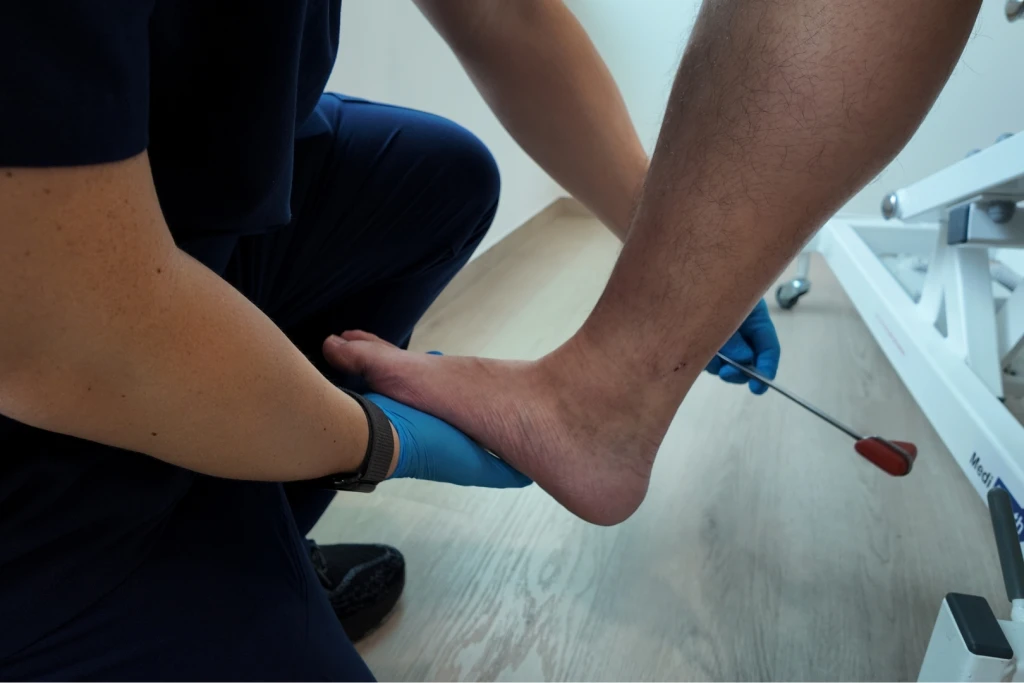
The foot-protection side is where podiatry sits. Once protective sensation is reduced, the foot needs active care: properly fitted footwear, custom orthotics where pressure distribution is uneven, treatment of calluses and corns before they break down, prompt attention to any skin or nail change, and a regular review schedule rather than waiting for symptoms. Prevention runs through everything: tight blood sugar control from the day diabetes is diagnosed slows the rate at which DPN develops in the first place.
Have Your Diabetic Peripheral Neuropathy Managed at Straits Podiatry
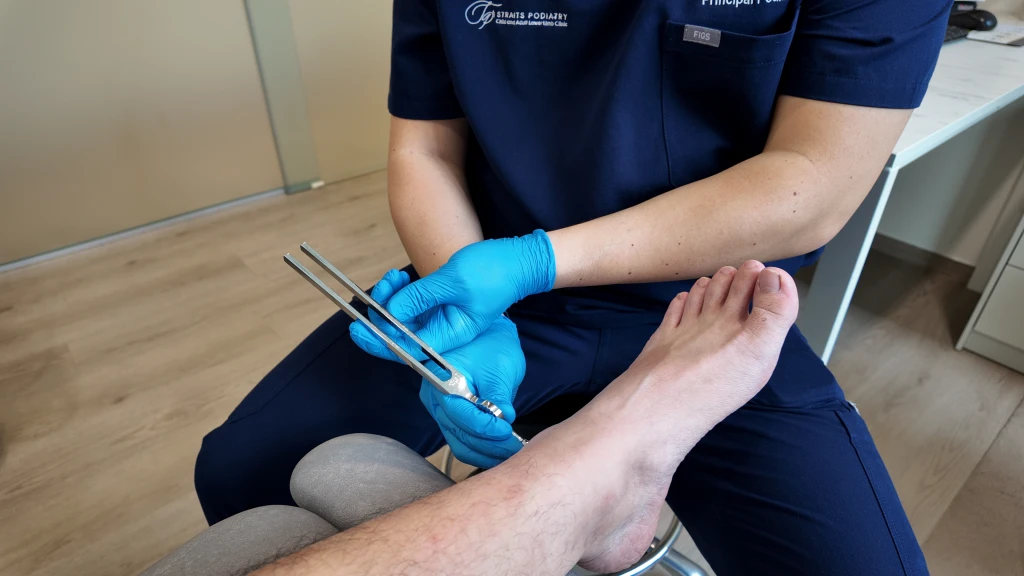
At Straits Podiatry, DPN care covers diabetic foot screening with vascular and neurological assessment, treatment of skin and nail conditions before they turn into wounds, custom orthotics and footwear advice to redistribute pressure across a foot that no longer feels it, wound care and offloading if a diabetic foot ulcer develops, and an ongoing review schedule matched to your clinical risk. Straits Podiatry works alongside your endocrinologist or family doctor, who leads on blood sugar and on the broader diabetes picture.
Speak with Straits Podiatry or book a consultation for an assessment and a tailored approach to manage your diabetic peripheral neuropathy.
Frequently Asked Questions About Diabetic Peripheral Neuropathy
Will controlling my diabetes cure diabetic peripheral neuropathy?
Tight blood sugar control is the foundation of managing DPN, but it does not reverse nerve damage that has already happened. What good blood sugar control does is slow or stop the progression of further nerve damage and reduce the risk of complications such as ulceration. Some patients also notice that burning or tingling pain eases once their sugars are consistently in range. Your endocrinologist or family doctor leads on the blood sugar side. Podiatric care is the parallel layer that protects your feet while your diabetes is being managed.
Is it too late to start controlling my sugar after I have diabetic peripheral neuropathy?
It is never too late. Even after DPN has developed, getting blood sugar back into a safe range reduces the rate of further nerve damage, lowers the risk of foot ulceration, and improves the body’s general ability to heal small injuries. The damage already present may not reverse, but the trajectory of the condition can change once sugars are stable. Straits Podiatry encourages every patient with DPN to keep working with their diabetes team on blood sugar control, even if the diagnosis has been in place for years.
What can happen if my feet are numb from diabetic peripheral neuropathy?
The numbness from DPN carries a practical risk that is easy to underestimate. The foot’s natural pain warning system is no longer reliable, so a small cut, a blister from a new shoe, a sharp object stepped on, or pressure from an ill-fitting sandal can go unnoticed and develop into an ulcer. Calluses and corns can also build up pressure under the skin and lead to a wound underneath. In more advanced cases, weakened bone in the foot can fracture or collapse without obvious pain, which is the clinical picture seen in Charcot foot. Daily foot self-checks, properly fitted footwear, and regular podiatric review help catch small problems before they progress.
How can podiatrists help my diabetic peripheral neuropathy?
Podiatrists do not treat the nerve damage itself, which is managed through blood sugar control and, where appropriate, medication from your doctor. The podiatric role is to manage the foot. That includes diabetic foot screening covering vascular and neurological assessment, treatment of skin and nail conditions before they become wounds, wound and ulcer management if a problem develops, prescription of properly fitted footwear and custom orthotics to redistribute pressure, and ongoing review at intervals that match your individual risk. Patients with confirmed DPN are usually placed on a regular review schedule rather than only being seen when symptoms appear.
How often should I have my feet checked if I have diabetic peripheral neuropathy?
The interval is set by clinical risk rather than a single rule. Patients with DPN but no other complications are often reviewed once or twice a year. Patients with reduced circulation, a previous ulcer, foot deformity, or other higher-risk features may be seen every few months. The reasoning is that by the time pain or a visible wound brings someone in, the underlying damage is often more advanced. Regular review picks up early changes (a new callus pattern, a quiet skin break, a change in foot shape) at a stage where they are still easy to address.