
Overview
Foot pain is a common complaint that affects roughly one in three adults at some point. It can show up as a sharp morning pain under the heel, a deep ache in the ball of the foot, or a burning sensation that shoots into the toes. In Singapore, where most people spend the day standing, walking, or moving between MRT stations and hawker centres, even minor foot pain quickly starts to affect daily life. Pain that traces up from the foot can also blur with leg pain, where shin splints, calf strain, and tendon issues sit. Recognising the pattern early, understanding the underlying cause, and seeking timely care from a podiatrist gives you the best chance of a clean recovery.
What Is Foot Pain?
Foot pain is a broad term for discomfort in any part of the foot, from the toes and arches to the heels and soles. It can present in many ways: sharp or stabbing sensations, dull aches, throbbing, tingling, numbness, or burning. Because the foot has 26 bones, 33 joints, and more than 100 ligaments and tendons working together, the source is rarely obvious from the symptom alone. The location, timing, and character of pain all help narrow it down.
Symptoms of Foot Pain
The character and timing of foot pain often point to the underlying cause. Common patterns include:
- Sharp, stabbing pain under the heel with the first morning steps.
- A deep ache in the ball of the foot that worsens after standing or walking.
- Burning or tingling shooting into the toes.
- A pulling or splitting pain in the arch during push-off.
- Swelling, redness, or warmth localised to a joint or region.
- A bony bump or visible change in foot shape.
- Pain in the knees, hips, or lower back that traces back to altered foot mechanics.

Common Causes of Foot Pain
Foot pain is grouped by region for diagnosis. The location of the pain narrows the likely cause and shapes the next steps.
Pain at the Ball of the Foot
- Metatarsalgia: a general overload pain in the ball of the foot, often after long walking or running.
- Morton’s neuroma: nerve irritation between the toes, causing burning, tingling, or shooting pain into the toes.
- Plantar plate injury: a tear of the soft tissue under a toe joint, often with the toe drifting upward.
- Metatarsal stress fracture: a hairline crack in the long bones of the foot, common in runners and NS trainees.
Pain at the Arch of the Foot
- Posterior tibial tendonitis: inflammation of the tendon that supports the arch, sometimes leading to adult-acquired flat foot.
- Tibialis anterior tendonitis: pain when lifting the foot upward, common in hill runners.
- Midfoot arthritis: stiffness, pain, and swelling across the midfoot joints.
- Plantar fascia strain: see arch pain for the full picture.
Heel Pain
- Plantar fasciitis: the most common cause, presenting as sharp first-step pain under the heel.
- Insertional Achilles tendonitis: pain at the back of the heel where the tendon attaches.
- Heel spur: a bony outgrowth on the heel bone, often coexisting with plantar fasciitis.
- Heel fat pad syndrome: a bruised, deep ache under the heel from thinning of the natural cushion.
- Baxter’s nerve entrapment: nerve compression near the heel, producing burning and numbness alongside pain.
Pain at the Toes
- Bunions: a bony bump at the big-toe joint, often painful in enclosed shoes.
- Sesamoiditis: inflammation of the small bones under the big-toe joint, common in dancers and sprinters.
- Turf toe: a sprain of the big-toe joint, often from a forced upward bend during sport.
- Ingrown toenails, corns, and calluses: skin and nail problems that can become surprisingly painful and limit daily activity.
What Causes Foot Pain?
- A sudden rise in walking, running, or jumping volume.
- Long hours standing or walking on hard floors.
- Worn-out or unsupportive shoes.
- Foot shape factors such as flat feet or high arches.
- Tight calves and limited ankle motion.
- A previous foot or ankle injury that altered mechanics.
Who Carries a Higher Baseline Risk?
- Adults aged 40 and above, as the foot fat pad thins and tendons stiffen.
- People carrying excess body weight.
- Runners, hikers, dancers, and people in physically demanding jobs.
- People with diabetes, gout, or rheumatoid arthritis.
- Women who wear narrow or high-heeled shoes for long periods.
- People with a history of recurrent ankle sprains or foot injuries.
Diagnosis
Getting the correct diagnosis is the practical first step toward effective treatment. A podiatrist typically works through the following:
- Patient interview: a structured review of when the pain started, what aggravates it, daily activity, footwear, and any prior foot or ankle injuries. The pattern often points strongly to the cause before any imaging is needed.
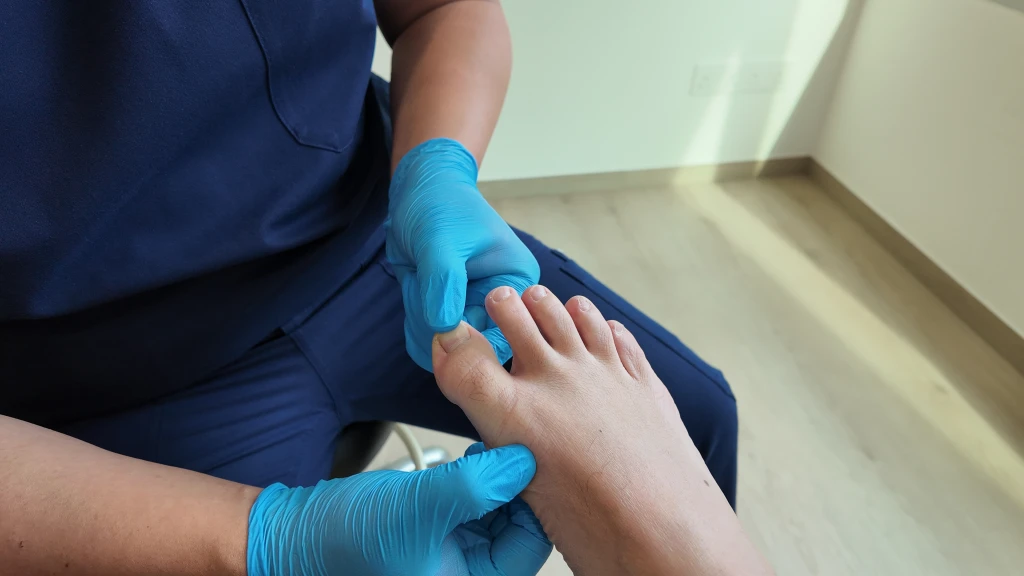
- Physical examination: hands-on assessment to identify tender areas, test joint range, check foot shape and gait, and look for visible changes such as swelling, redness, or bony prominence.
- Imaging: X-rays for bony causes (fractures, arthritis, bone spurs). MRI for soft tissue, occult stress fractures, or persistent pain that has not settled with standard care.
- Blood tests: when an inflammatory or systemic cause is suspected, such as gout or rheumatoid arthritis, blood tests help confirm or rule it out.
Treatment Options for Foot Pain in Singapore
Treatment depends on the underlying cause, but most foot pain settles with a paced, structured plan that combines load reduction, supportive footwear, and rebuilding strength. The first phase calms the irritated tissue, the second restores mechanics so the same flare does not return, and the third escalates only when conservative care has been given a fair trial.
Conservative Management
To settle the pain:
- Reduce aggravating high-impact activity for a defined period rather than pushing through it.
- Ice or anti-inflammatory measures during the painful phase, guided by a clinician.
- Supportive footwear and avoiding long barefoot walking on hard floors at home.
To restore movement and share the load:
- Calf, plantar fascia, and intrinsic foot stretching and strengthening.
- Custom orthotic insoles, or in selected cases an ankle-foot orthosis, to offload irritated structures and redistribute pressure.
- A gradual return to load, mixing in lower-impact training to share the work across the kinetic chain.
For cases that resist conservative care, focused Extracorporeal Shockwave Therapy (ESWT) and Magnetotransduction Therapy (EMTT) can stimulate stubborn tissue to heal where progress has stalled.
Surgical Intervention
Surgery is typically only necessary when conservative management has been given a fair trial without improvement, or where structural damage requires direct repair. Common procedures include tendon repair or release, deformity correction, and bunionectomy. A podiatrist can advise when an orthopaedic surgical opinion is appropriate.
Prevention
Replace worn shoes early. Build training up gradually rather than in sudden jumps. Keep calves flexible and ankles mobile. Maintain a healthy weight to reduce day-to-day strain. Address foot mechanics through gait assessment if pain keeps returning rather than treating each flare in isolation.
Have Your Foot Pain Managed at Straits Podiatry
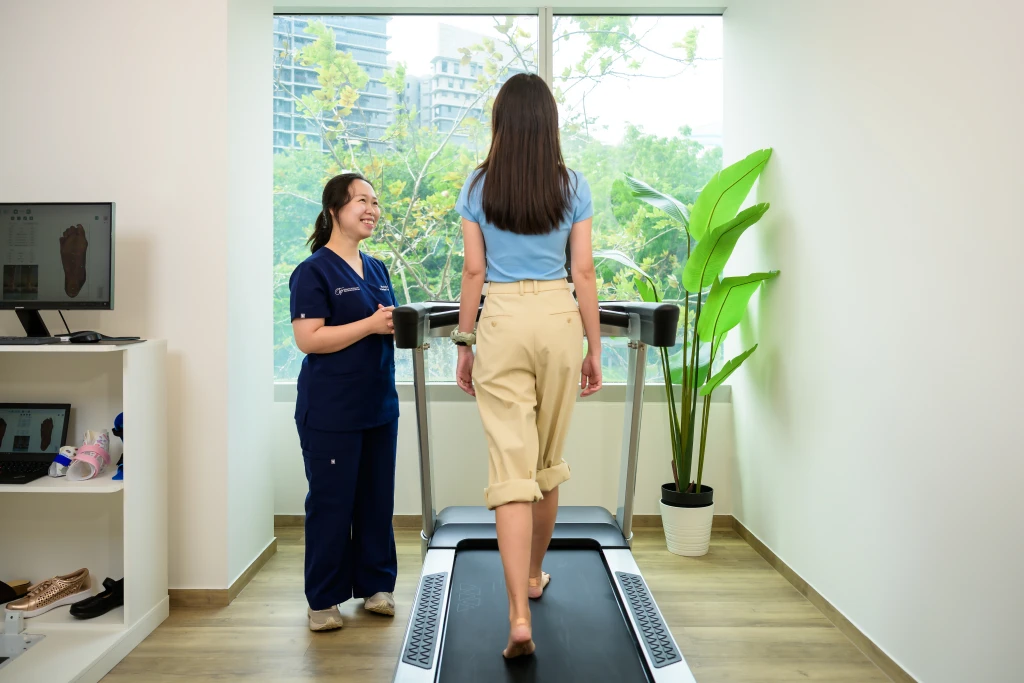
When foot pain starts to dictate your day, guesswork rarely shortens recovery. At Straits Podiatry, the assessment connects where the pain is, when it occurs, your footwear, your daily activity, and your foot mechanics, so the source is clear before any treatment begins.
From there, the plan is built around your daily routine. Services that may form part of your care include gait analysis, custom orthotic insoles, footwear guidance, and ESWT or EMTT for cases that have not settled with conservative measures. Speak with the team or book a consultation for a thorough assessment and a tailored path back to comfortable movement.
Frequently Asked Questions About Foot Pain
What is the difference between acute and chronic foot pain?
Acute foot pain comes on suddenly, usually after a specific incident such as a sprain, fall, or training spike. Chronic foot pain persists over weeks, months, or longer, often building gradually as an acute issue is left untreated or as underlying mechanics keep loading the foot poorly. Chronic foot pain is more likely to be linked to factors such as foot shape, gait, or systemic conditions, which is why it tends to need a wider assessment than a single-injury approach.
How do I know if my foot pain is serious?
Seek help promptly if you have significant swelling or bruising, pain that prevents standing or walking, loss of foot movement or control, foot pain lasting more than a week without improvement, or signs of infection such as pus, redness, and warmth around a wound. Foot pain in people with diabetes always warrants earlier review, since reduced sensation can mask serious injury.
Why does the same foot pain keep coming back?
Recurring foot pain usually points to an underlying mechanical or load-related factor that has not been addressed. Common drivers include foot shape (flat feet or high arches), gait pattern, footwear that no longer supports the foot, or a training programme that rises too quickly. Treating each flare without addressing the cause tends to lead to longer and more frequent episodes over time. A gait assessment is the practical way to identify what is driving the cycle.
Should I see a podiatrist, GP, or orthopaedic surgeon for foot pain?
For most non-traumatic foot pain, a podiatrist is the appropriate first point of contact. Podiatrists focus on diagnosing and managing foot and lower-limb conditions, and use the same conservative tools (orthotics, gait analysis, footwear advice, shockwave therapy) that orthopaedic surgeons would typically refer for. A GP referral is suitable when systemic causes are suspected, and orthopaedic input is most useful when surgery is being considered. Many cases that initially look surgical settle well with conservative care.
How long does foot pain take to settle?
Most acute foot pain settles within a few weeks once the load is reduced and the right supportive measures are in place. Chronic conditions such as long-standing plantar fasciitis or tendonitis can take three to six months to fully settle, especially if mechanics need addressing. The earlier the assessment, the shorter the recovery tends to be, since paced care almost always resolves faster than a stop-start cycle of self-managed flare-ups.