
What Is Wound Debridement?
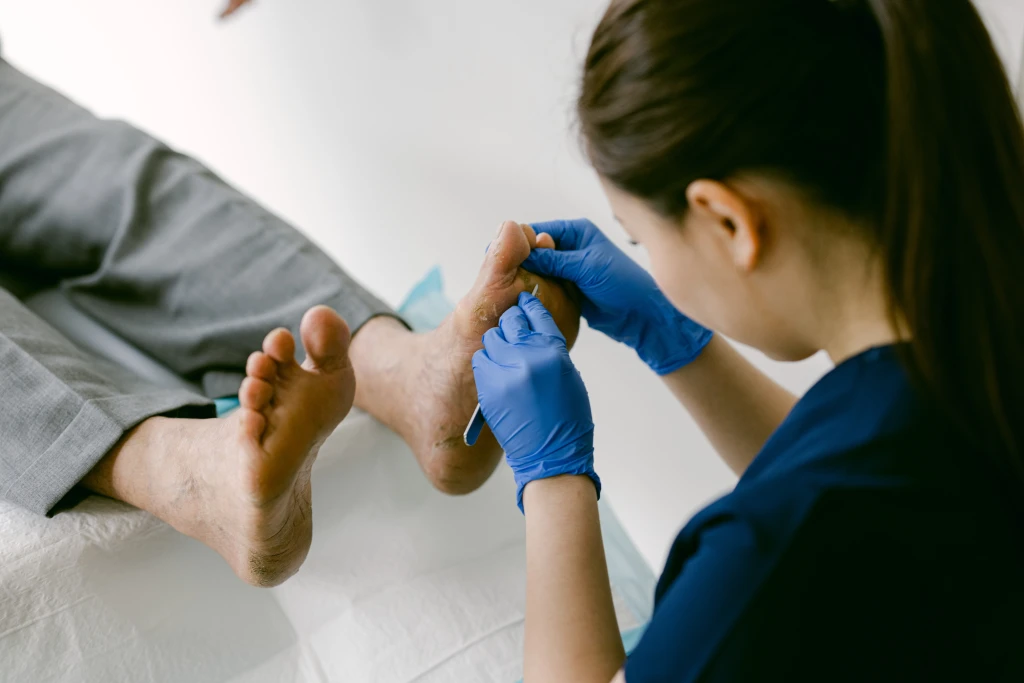
Wound debridement is the removal of dead, damaged, or infected tissue from a wound so that healthy tissue can grow in its place. The word covers a family of methods, from careful scalpel work at the bedside to dressings that soften tissue over several days, but the goal is always the same: clear away what the body cannot heal through, and expose a clean wound bed underneath.
It matters because a wound only heals from living tissue. Dead tissue, slough, and hardened callus around a wound rim act as a physical and biochemical barrier. New skin cells cannot migrate across them, healing signals stall, and bacteria settle into the dead material where the immune system struggles to reach. Left alone, the wound sits in a prolonged inflammatory state and becomes chronic. Debridement resets that process. It converts a stalled, chronic wound into something that behaves more like a fresh one, which is the state the body actually knows how to close. This is why debridement is considered the mainstay of managing diabetic foot ulcers, the most common reason a wound on the foot needs regular, skilled attention in Singapore.
Why Debridement Matters
Removing non-viable tissue is not cosmetic tidying. It changes the wound environment in several concrete ways:
- It lowers the risk of infection. Dead tissue is an ideal medium for bacteria. Clearing it removes the food source and the hiding place, so the wound is less likely to become infected or to spread infection into deeper tissue and bone.
- It restarts stalled healing. Taking away the barrier of slough and callus lets new skin cells migrate across the wound surface again, and stimulates the body to lay down fresh, healthy tissue.
- It prepares the wound bed for other care. A clean wound bed lets dressings, topical agents, skin grafts, or negative-pressure therapy work as intended. On dirty or covered tissue, they cannot.
- It helps prevent serious complications. In a foot with reduced sensation or circulation, an untreated ulcer can deteriorate quickly. Regular debridement is one of the levers that keeps a wound moving toward closure and helps avoid the worst outcomes, including amputation.
Types of Wound Debridement
There are several methods, each suited to different wounds and different patients. In practice a wound may need more than one method over its lifetime.
Sharp Debridement
This is the mainstay method for most chronic foot wounds. It uses a scalpel, scissors, or a curette to cut away dead or infected tissue and to pare back the hardened callus that builds up around a diabetic foot ulcer. It is precise, immediate, and keeps the wound bed clean to promote faster healing. Because it involves cutting tissue, it should only be carried out by a trained podiatrist or specialist.
Autolytic Debridement
This method uses the body’s own enzymes and natural moisture to soften and break down dead tissue. It is achieved by applying moisture-retentive dressings that hold the right level of moisture at the wound surface, letting the body clear the dead tissue gradually. It is gentle and painless, but slow, and it is not suitable as the main approach for a dirty, heavily colonised, or infected wound, where waiting several days is unsafe.
Enzymatic Debridement
Topical agents containing proteolytic enzymes are applied to the wound to break down dead tissue chemically. This is used relatively rarely and is usually reserved for patients who are not suitable for sharp debridement, for example where bleeding risk or pain makes cutting inadvisable.
Mechanical Debridement
This physically removes debris using techniques such as wound irrigation, flushing, and scrubbing. It is effective but non-selective, meaning it can disturb healthy tissue as well, so it can be uncomfortable and is avoided on fragile or sensitive wounds. Some advanced dressings, including negative-pressure wound therapy, use the same principle to draw debris away from the wound bed in a more controlled way.
Biological Debridement (Maggot Therapy)
Sterile medical larvae can be placed into a cavity wound to consume dead tissue while sparing healthy tissue. It can be highly selective and effective in specific cases, but it is used uncommonly because it depends on local availability of the larvae and because some patients cannot tolerate the sensation of movement within the wound.
Surgical Debridement
This is carried out in an operating theatre, usually under sedation or general anaesthesia. It is called for when a wound is severely infected, when bone is involved, when there is a large volume of dead tissue to clear, or when a surgeon plans to cover the wound with a skin graft or flap. It removes the source of infection decisively and is the appropriate step when a wound is beyond what can be managed with sharp debridement in the clinic.
What to Expect During Sharp Debridement
Most foot-wound debridement in a podiatry clinic is sharp debridement, and knowing the steps takes the anxiety out of the appointment.
- Assessment. The wound is examined, measured, and photographed to track progress over time. Circulation and sensation in the foot are checked, because both change how the wound will heal and how much sensation you have during the procedure.
- Pain check and comfort measures. How much you can feel in the wound is assessed first. Where the surrounding skin is sensate and the wound is tender, a topical or injected local anaesthetic is used before any tissue is removed.
- Cleaning. The wound and surrounding skin are cleaned to reduce surface bacteria before debridement begins.
- Debridement. Using a scalpel or curette, the dead tissue, slough, and the callus rim around the ulcer are pared back until a clean, healthy wound bed is reached. A little pinpoint bleeding at the edges is often a good sign, as it indicates living tissue with a blood supply.
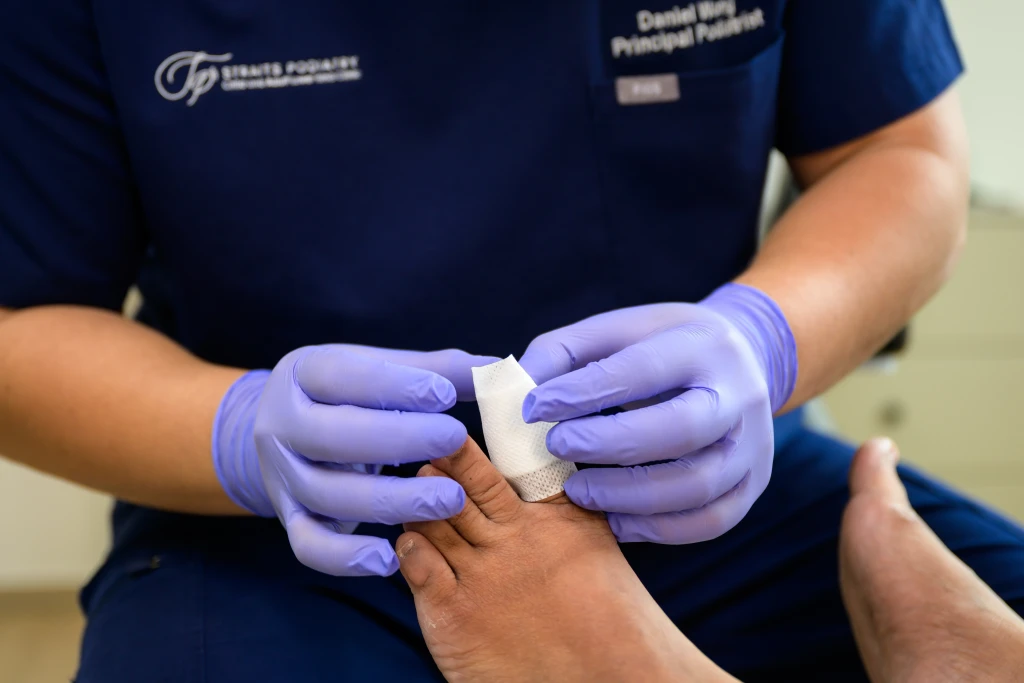
- Dressing. An appropriate dressing is applied to hold the right moisture balance and protect the wound. If pressure is contributing to the ulcer, offloading with padding, a boot, or a change of footwear is arranged, because debridement without offloading lets the same wound re-form.
- Review plan. A follow-up interval is set. Chronic wounds are rarely a one-visit fix. They need serial debridement as the wound heals.
Most patients walk out of the clinic and resume normal daily activity, within any offloading instructions given for the wound.
How Often Does a Wound Need Debriding?
Chronic wounds, and diabetic foot ulcers in particular, usually need serial debridement rather than a single procedure. The interval is set by the wound itself. When slough, dead tissue, or callus is re-accumulating quickly, debridement is done weekly. As the wound bed stabilises and healthy granulation tissue takes over, the interval lengthens. During the active healing phase most patients are reviewed every one to two weeks. Skipping sessions lets the wound stall, because non-viable tissue blocks new skin cells from crossing the surface. Consistent debridement is one of the strongest predictors of whether a diabetic foot ulcer will close, alongside offloading the pressure on the ulcer and addressing any infection or blood-flow problem.
How Do I Know if My Wound Needs Debridement?
A wound is likely to need debridement if you notice any of the following:
- Dead or non-viable tissue. The wound looks black, yellow, or green, and may carry a foul odour.
- Slough. A soft, stringy, yellow layer sits on the wound surface. It is a mix of debris, white blood cells, and bacteria.
- Signs of infection. Redness, swelling, warmth, increased pain, or pus around the wound.
- A wound that will not heal. A wound that has made no progress after a couple of weeks often needs debridement to restart the process.
If you have diabetes, do not wait for pain as your warning signal. Reduced sensation means a serious wound can look and feel deceptively quiet, so any of the signs above warrants prompt review.
Debridement vs Simply Cleaning a Wound
These are often confused, but they are different steps. Cleaning a wound means rinsing the surface with saline or a wound cleanser to remove loose debris and surface bacteria. It is hygienic and happens at every dressing change, but it does not remove dead tissue that is attached to the wound bed. Debridement removes that attached, non-viable tissue: the slough, the eschar, and the callus around the rim. A wound that is faithfully cleaned but never debrided commonly becomes chronic, because the healing cells still cannot cross the dead tissue underneath. Cleaning maintains hygiene. Debridement is the clinical procedure that actually moves a stalled wound toward closure.
When Should Debridement Be Avoided?
Debridement helps in most cases, but there are situations where it should be delayed, modified, or not carried out at all. Recognising these is part of doing it safely.
- Poor blood flow to the foot. Where there is severe poor blood flow to the foot, aggressive debridement can create a wound the foot cannot heal and may worsen the situation. Circulation is assessed first, and vascular input is sought before proceeding.
- Dry, stable eschar. A hard, dry, non-infected scab on certain wounds, such as some heel wounds with adequate circulation, can act as a natural biological cover. If it is not infected and the foot has a good blood supply, it is often left intact rather than removed.
- Severe pain or a very tender wound. If the wound cannot be made comfortable, debridement is paused until pain is controlled with local anaesthetic or an alternative method is chosen. A debridement the patient cannot tolerate is not a useful debridement.
- Bleeding disorders or blood thinners. Sharp debridement may need to be adjusted, or a gentler method used, where there is a significant bleeding risk.
- Palliative situations. Where a patient’s overall prognosis is poor, comfort is prioritised over an aggressive procedure that would add pain without changing the outcome.
Have Your Wound Assessed at Straits Podiatry
Debridement plays a central role in managing chronic wounds, especially diabetic foot ulcers, and doing it well means matching the method to the wound, controlling pain, offloading pressure, and knowing when the wound needs more than clinic-based care. At Straits Podiatry, debridement of complex wounds is coordinated with orthopaedic and vascular specialists within Healthway Medical Group under a single care plan, so podiatry-led wound care and surgical or vascular input sit on the same pathway rather than in separate silos. That means a wound can move to the right level of care without delay when the clinical picture changes, whether that is a circulation problem uncovered on assessment or an infection that needs surgical attention.
Speak with Straits Podiatry or book a consultation if you have a wound that is not healing, or if you have concerns about a diabetic foot ulcer.
Frequently Asked Questions About Wound Debridement
Does wound debridement hurt?
Often less than people expect. Sharp debridement is usually well tolerated when the wound bed has lost sensation from neuropathy, which is common in diabetic foot ulcers, and patients tend to feel pressure rather than pain. Where the surrounding skin can still feel and the wound is tender, a local anaesthetic is applied or injected before any tissue is removed. Autolytic debridement using moisture-retentive dressings is painless because the body does the work over several days. Mechanical and surgical debridement can be more uncomfortable and may need stronger pain relief. Your pain is assessed before each session and the method is chosen with that in mind.
How often does a diabetic foot ulcer need to be debrided?
Most diabetic foot ulcers need repeated debridement rather than a single visit. During the active healing phase, that usually means a review every one to two weeks, and weekly if slough or callus is building up quickly. As the wound improves and healthy tissue takes over, the interval stretches out. Keeping to the schedule matters, because a missed session lets non-viable tissue re-accumulate and stall the wound.
What is the difference between debridement and just cleaning the wound?
Cleaning rinses away loose debris and surface bacteria, and happens at every dressing change. It does not remove dead tissue that is attached to the wound. Debridement removes that attached tissue: the slough, the scab, and the hardened callus around the rim. A wound that is only ever cleaned but never debrided often gets stuck and turns chronic, because healing cells cannot cross the dead tissue underneath.
Can I debride a wound at home?
Cleaning a wound gently and keeping it dressed at home is reasonable first aid, but removing dead tissue with a blade or scissors is not something to attempt yourself. Done without training it risks cutting into healthy tissue, introducing infection, or causing bleeding that is hard to control, and it is especially unsafe on a foot with diabetes, poor circulation, or reduced sensation. If a wound has dead tissue, a bad smell, spreading redness, or is simply not healing after a week or two, it should be assessed by a podiatrist rather than debrided at home.
When should I see a podiatrist instead of managing the wound myself?
See a podiatrist if a foot wound has not improved within one to two weeks of careful home care, if there is yellow or black tissue in it, if it smells, if the skin around it is red, swollen, or hot, if discharge is increasing, or if pain is worsening. If you have diabetes, seek review earlier, because reduced sensation removes your pain warning and reduced circulation lets small wounds deteriorate fast. Any wound with fever, exposed deeper tissue, or on a foot with poor circulation should be reviewed urgently.
Is podiatry-led debridement different from surgical debridement in hospital?
They sit at different points on the same pathway. Podiatry-led sharp debridement is carried out in the clinic and is the standard for ongoing management of most diabetic foot ulcers, targeting dead tissue at the wound surface and around the rim and repeated regularly through healing. Surgical debridement is done in an operating theatre under sedation or anaesthesia when a wound is deeply infected, when bone is involved, when there is a large volume of dead tissue, or when a skin graft is planned. At Straits Podiatry, debridement is provided alongside orthopaedic and vascular specialists within Healthway Medical Group, so a wound can move smoothly between clinic-based care and surgical input when it needs to.
Is debridement safe if I have diabetes or poor circulation?
Debridement is a core part of diabetic wound care, but circulation is checked first. In a foot with good blood supply, regular debridement is safe and is one of the main reasons diabetic ulcers heal. In a foot with severe blood-flow problems, debridement is approached cautiously and vascular input is sought first, because a foot that cannot supply enough blood cannot heal a wound that has been opened up further. This is exactly the situation the coordinated vascular pathway at Straits Podiatry is designed to catch early.