
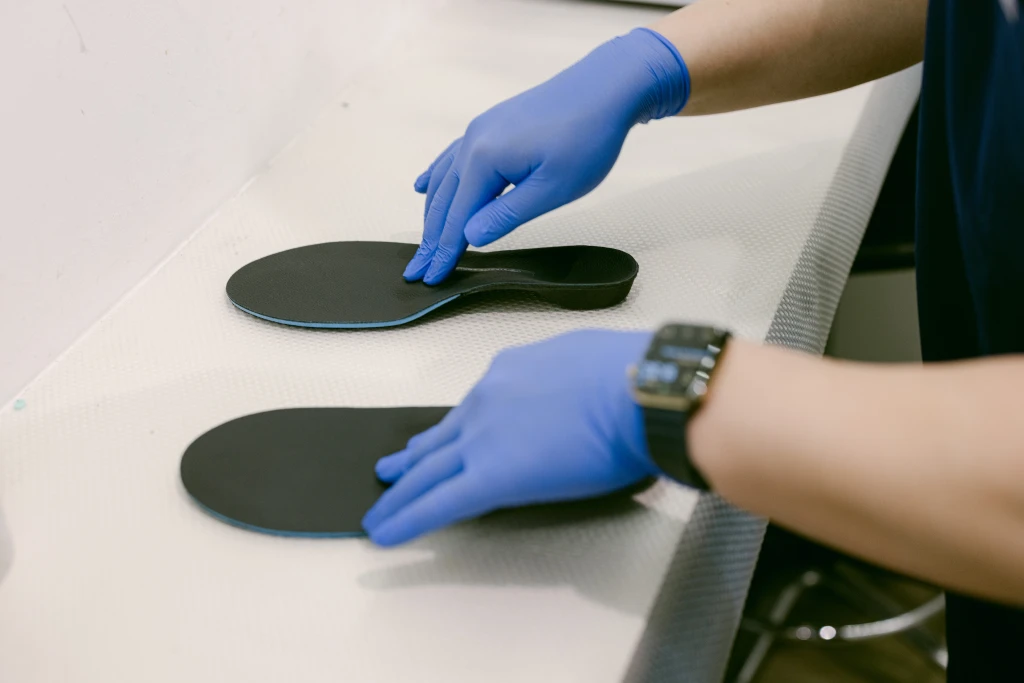
If you have ever searched for help with foot pain, heel discomfort, arch support, or sports related foot fatigue, you have probably come across terms such as orthotics, insoles, arch supports, and shoe inserts. The problem is that these terms are often used interchangeably, even though they aren’t always describing the exact same thing. As a result, many end up unsure whether they need a simple cushioning insert, a sports insole, or a more customised device designed around their foot mechanics.
Part of this confusion comes from how footwear and foot support products are marketed today. Traditionally, orthotics referred more specifically to medically prescribed devices intended to support biomechanics, redistribute pressure, or improve movement function. Insoles, meanwhile, referred more generally to the layer placed inside a shoe. However, as retail footwear products evolved, the lines between these terms gradually became blurred, especially since many brands now market supportive insoles as orthotics as well.
Even so, the differences still matter because not all foot support products are designed for the same purpose. Some mainly improve comfort or cushioning inside the shoe, while others are intended to provide more structured support for walking mechanics, repetitive loading, sport, or underlying foot conditions. To make this clearer, it helps to separate general shoe inserts from custom insoles or orthotics, especially when pain, pressure, or activity related discomfort keeps returning.
What’s the Difference Between Inserts and Custom Insoles?
Although shoe inserts, insoles, and orthotics are often grouped together, they aren’t always designed for the same purpose. Some are made mainly to improve comfort, cushioning, or shoe fit, while others are clinically customised to support how a person walks, loads their feet, or responds to daily and sporting demands. This distinction matters because a product can feel comfortable at first, yet still fail to address the underlying cause of recurring foot or lower limb symptoms.
What Are Shoe Inserts?
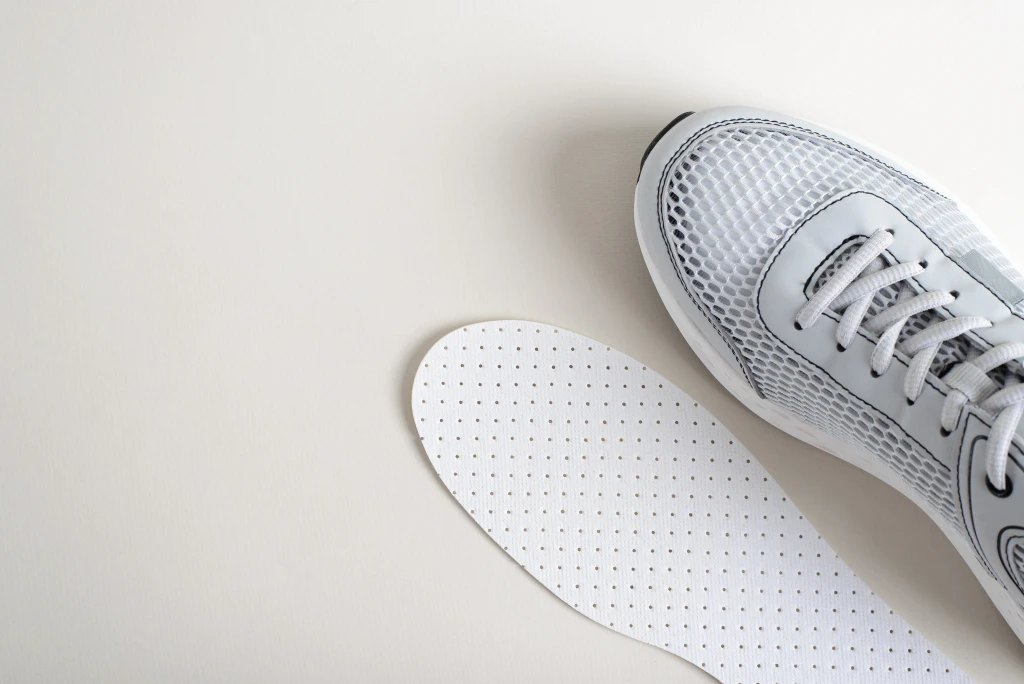
Shoe inserts are ready made products placed inside footwear to improve comfort, fit, or pressure relief. They are commonly sold over-the-counter (OTC) and are usually made for general use, rather than for a person’s specific foot structure, pressure pattern, or walking mechanics. They can include:
- Heel pads
- Gel cushions
- Shoe liners
- Arch pads
- Metatarsal pads
- Full length cushioned inserts
Because they are easy to buy and use, shoe inserts can be helpful for mild discomfort or when a shoe needs a little more cushioning. However, they aren’t designed to assess how pressure moves through the foot during walking, running, or sport.
What Are Custom Insoles or Custom Orthotics?
Custom insoles may also be referred to as custom orthotics when they are clinically assessed, customised, and designed to support foot function. Rather than using a ready-made shape, they are developed around how a person’s feet are structured, how they move, where symptoms occur, and what their daily or sporting demands involve. To guide this, a podiatrist will assess factors such as:
- Foot posture
- Walking pattern
- Pressure distribution
- Footwear fit
- Sport or activity demands
Because support works best when it matches how the foot actually loads and moves, custom insoles can be used to support alignment, redistribute pressure, support stability, or reduce repetitive strain during daily movement and sport. This is why they should be considered for concerns such as plantar fasciitis, flat feet, high arches, forefoot pain, shin splints, and sports overuse injuries.
However, not every supportive product is built with this level of detail. Retail insoles or “orthotics” might feel comfortable at first, but they are usually made for general use rather than your specific foot structure, pressure pattern, or movement needs. If pain keeps returning or activity continues to trigger discomfort, it’s safer to be assessed by a podiatrist instead of repeatedly changing insoles on your own.
Are Sports Insoles Different from Regular Insoles?
Sport is one area where this personalised approach becomes especially important. If a podiatrist is assessing sport or activity demands, they aren’t only looking at the foot in isolation. They are also looking at how the foot behaves when it’s exposed to repeated impact, sudden stops, side-to-side movement, jumping, landing, heavy lifting, or sustained pressure inside sport specific footwear.
This is why custom sports insoles aren’t simply insoles with extra cushioning. Depending on the activity, they might need to help with pressure distribution, shock absorption, stability, energy transfer, or shoe fit. These needs can vary widely between sports, as a runner, footballer, court sport player, gym goer, or cyclist all have different loading patterns, footwear needs, and pressure points. For this reason, the support should match both the person’s foot mechanics and the demands of the sport.
Get Assessed for Custom Insoles at Straits Podiatry
When foot discomfort keeps returning, shows up during sport, or starts affecting the way you walk, train, or tolerate certain footwear, it might be a sign that your feet need a closer assessment. At first, changing shoes or trying retail insoles might seem enough. However, if the same pressure points, arch pain, heel discomfort, forefoot pain, or lower limb strain keeps coming back, the problem might be linked to how your feet load and move.
Here at Straits Podiatry, our aim isn’t simply to recommend custom insoles for every foot concern. Instead, it’s to assess your foot structure, walking pattern, pressure distribution, footwear fit, and activity demands to understand what might be contributing to the discomfort. From there, we can determine whether orthotic support is suitable, or whether another form of care is needed. Book an appointment today to find out what type of support may be better matched to your feet and daily activities.