
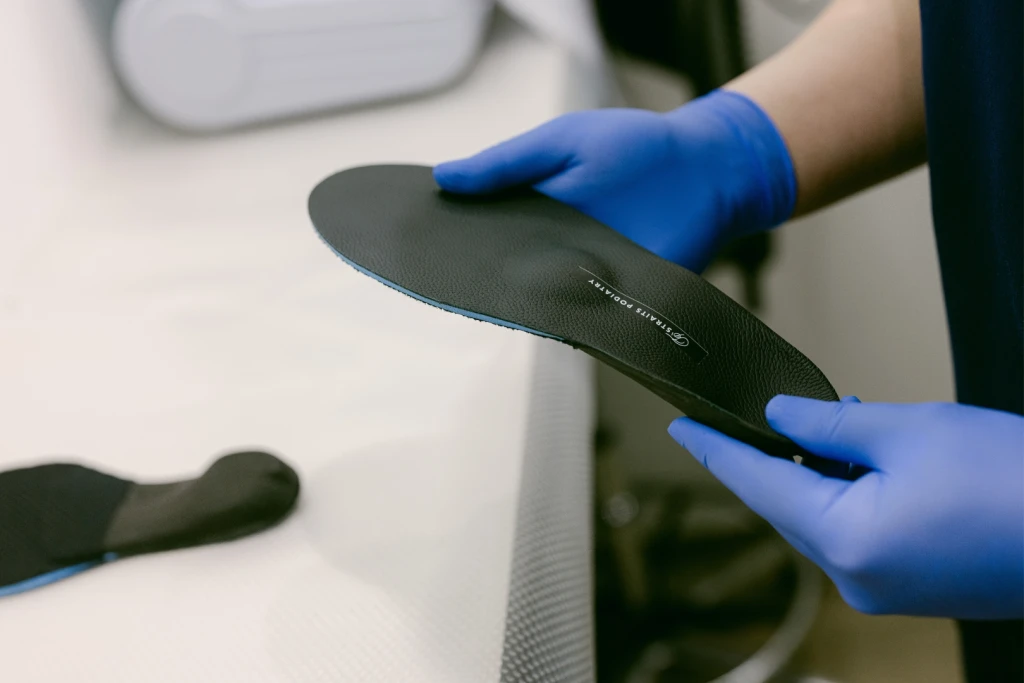
A pair of custom insoles is an investment, so it is fair to want to know when they are genuinely worn out and when they still have plenty of life left. Patients usually raise it a year or two in, when old foot pain starts to return, and the insoles are the natural thing to blame. Sometimes they are the culprit. Just as often they are fine, and something else has changed. Here is how I tell the two apart, and how to get the most life out of a good pair.
The signs your insoles are genuinely worn out
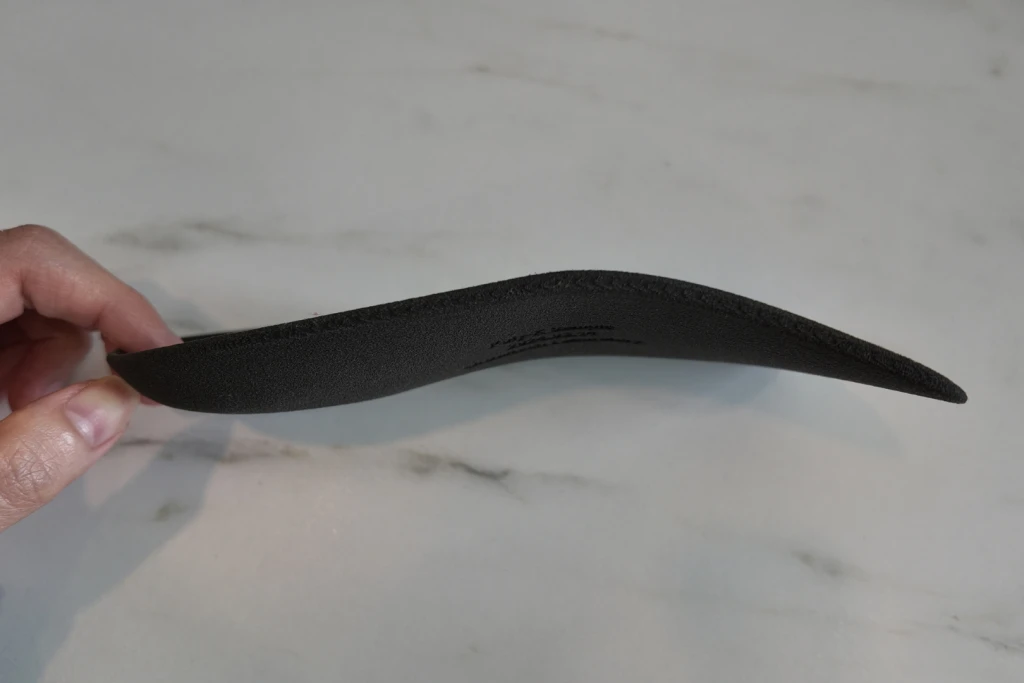
The urgent one is the supportive shell. If the shell has flattened or cracked, replace it without waiting, because at that point the insole is no longer giving you any real support, and standing on a broken shell is uncomfortable in its own right.
The everyday wear happens on the top cover and the cushioning. Both compress over time, and how quickly depends on the material and how hard you use them. Two clear signals it is time:
- The top cover has worn so thin that your foot has ground a hole through it.
- The cushioning has flattened to the point where your feet are uncomfortable again.
Worn insoles are not always why your feet hurt again
This is the part worth slowing down on, because it comes up regularly. Someone has worn their insoles for a year or two, their feet start to have some discomfort, and it seems reasonable to assume the insoles are done. But if a pair is made from durable materials, a year is actually a short life, so I do not immediately assume they are the problem.
More often than not, once we assess it, the discomfort turns out to be a newly developed issue rather than tired insoles. The usual culprits are a sudden change in activity, shoes that are themselves worn out and overdue for replacement, and simply not wearing the insoles as regularly as they should be.
When the insoles genuinely are worn out, the signs are more specific. The original pain or problem they were made for starts to creep back. Calluses or corns that the insoles had settled begin to return. Or the support for a flat foot no longer feels as firm as it used to, especially if you notice the shell flattening easily when you stand on it.
Life changes that call for a re-check, even if the insoles look fine
Some things should prompt a review regardless of how the insoles look, because your feet have changed even if the plastic has not:
- A major foot injury such as a fracture or a bad ankle sprain.
- Lower-limb surgery, including a hip or knee replacement or a ligament repair.
- Pregnancy, because foot size, foot shape and body weight can all change significantly, and the insoles often need to be redone to match.
For children, the trigger is almost always that they have outgrown the pair. As a rough guide for parents, expect a child’s insoles to last somewhere between 9 and 18 months, or about every two shoe sizes, before they need replacing.
So how long should a pair actually last?
It depends most on the material of the supportive shell. A shell made from a nylon polymer, polypropylene or carbon fibre can comfortably last between two and five years, sometimes longer. A shell made from foam, or from FDM-printed nylon (commonly marketed in retail stores as same-day custom insoles), may not last much beyond one to two years. The top cover and cushioning depend on how active you are, which is why a custom insole built for sport uses tougher covers than an everyday pair, chosen for the load once you tell us what you will be doing.
As a general rule, a properly made pair of custom foot orthoses should last between two and five years, and it is the shell material that decides where in that range you land.
Do I have to replace them if only the top cover is worn?
This is a question my patients ask a lot, and the short answer is no. If your feet still feel good in them and the supportive shell is not cracked or broken, the insoles are still doing most of their job. The top cover and cushioning wearing down is normal, and it is not the most important feature of the insole, unless you specifically rely on it for shock absorption or grip.
The shell is the part that does the supporting, so as long as that is intact, the insole is still working for you. When someone brings in a worn-looking pair, the first thing I ask is what the insoles were made for in the first place, and whether the old problem is resurfacing. If they were made for shock absorption and that old problem is creeping back, then yes, it is time to replace them.
How to make your insoles last
A little care goes a long way:
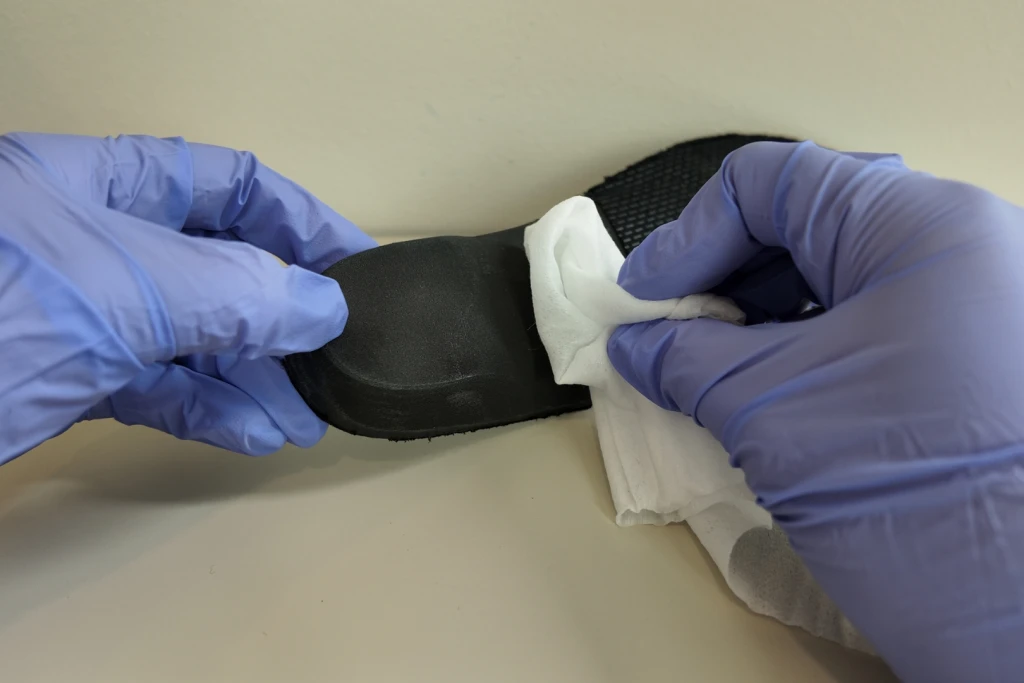
- Wipe them with a gentle antiseptic wipe and let them air-dry after use.
- Do not force them into shoes that are too small or clearly do not fit.
- Do not soak them or scrub them with detergent.
- Do not leave them in direct sunlight to “disinfect” them.
If the top cover is worn but the insoles are otherwise still working well for you, a refurbishment is often all you need rather than a whole new pair. And if you are not sure, or the old issue feels like it is creeping back, it is always worth coming back for a review. If your insoles are cracked, no longer comfortable, or your feet have changed, book a consultation with any of our podiatrists in Singapore, and we will tell you honestly whether you need a refurbishment, a replacement, or neither.
Frequently Asked Questions About Replacing Insoles
Do I need to replace my insoles if only the top cover is worn out?
Not necessarily. If your feet still feel good and the supportive shell is not cracked or flattened, the insole is still doing its main job. A worn top cover can often be refurbished rather than replacing the whole pair, unless you specifically rely on the cover for shock absorption or grip.
Can worn-out insoles cause my old foot pain to come back?
They can. When the shell has flattened or cracked, the original problem the insoles were made for, or calluses and corns they had settled, can start to return. That said, returning pain after a year or two is often a new issue instead, from a change in activity, worn-out shoes, or not wearing the insoles regularly, which is why an assessment is worth it before assuming the insoles are finished.
How should I clean and care for my custom insoles?
Wipe them with a gentle antiseptic wipe and let them air-dry. Avoid soaking or scrubbing them with detergent, do not dry them in direct sunlight, and do not squeeze them into shoes that are too small, as all of these shorten their life.
How often should a child’s insoles be replaced?
Children usually need new insoles once they outgrow the current pair. As a rough guide, expect a replacement every 9 to 18 months, or roughly every two shoe sizes.