
Introduction
Foot arch type plays an important role in plantar fasciitis. Both flat feet and high arches can raise the risk, although arch type is rarely the sole reason someone develops it. Studies link a flatter foot posture with higher odds of plantar fasciitis, but the association is inconsistent, and the exact mechanism is not settled, which is why arch type is best read as one piece of the picture rather than a verdict. Understanding your foot arch still provides valuable insight into why you may be experiencing heel pain and how best to manage it. This article explores the different types of foot arches, their characteristics, and their relationship with plantar fasciitis.
Types of Foot Arches
1. Normal Arch
- Characteristics: Balanced arch visible to the eyes, usually an even weight distribution.
- Impact on Plantar Fasciitis: A mid-range arch tends to distribute load more evenly, which may lower the risk somewhat, but it is no guarantee. Plenty of people with normal arches still develop plantar fasciitis when other drivers pile up, such as poor footwear choices, tight calves, or a sudden increase in activity.
2. Flat Feet (Low Arch)
- Characteristics: Arch sits low, almost entirely or entirely flat to the ground. Heels also tilt inwards from the back view.
- Impact on Plantar Fasciitis: Flatter feet often roll inward more, an inward rolling of the ankle known as overpronation, which can load the plantar fascia differently. In some people this raises the risk of plantar fasciitis, but it is a contributing factor rather than a certainty, and many flat feet never cause any trouble.
3. High Arch
- Characteristics: Elevated arch, excessive load on the ball and heel of the foot.
- Impact on Plantar Fasciitis: High arches tend to be stiffer and absorb less shock, sometimes with underpronation or supination. This can concentrate stress on the heel and plantar fascia and, as with flat feet, raises the risk in some people rather than guaranteeing the condition.
How to Determine Your Arch Type
1. Wet Footprints Test
The simplest way to determine your arch type is the wet test. Wet the sole of your foot, then step onto a dry, flat surface. The footprint left behind will give an indication of your arch type.
2. Professional Assessment
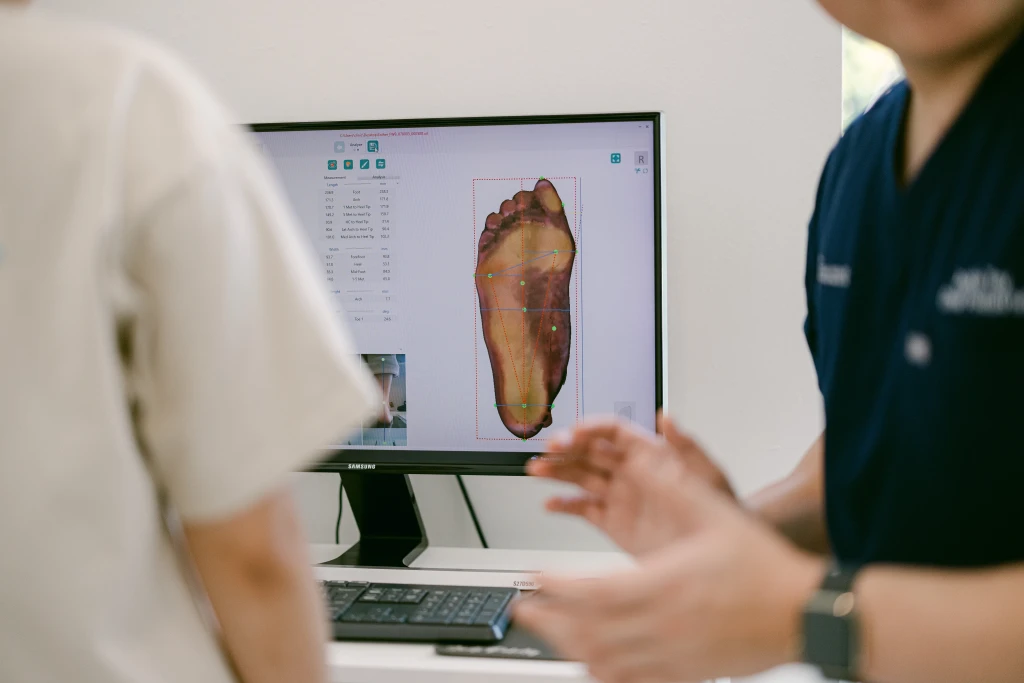
Consulting a podiatrist for a comprehensive foot assessment is certainly the most accurate way to determine your arch type and its implications for your foot health.
Managing Plantar Fasciitis Based on Arch Type
Flat Feet
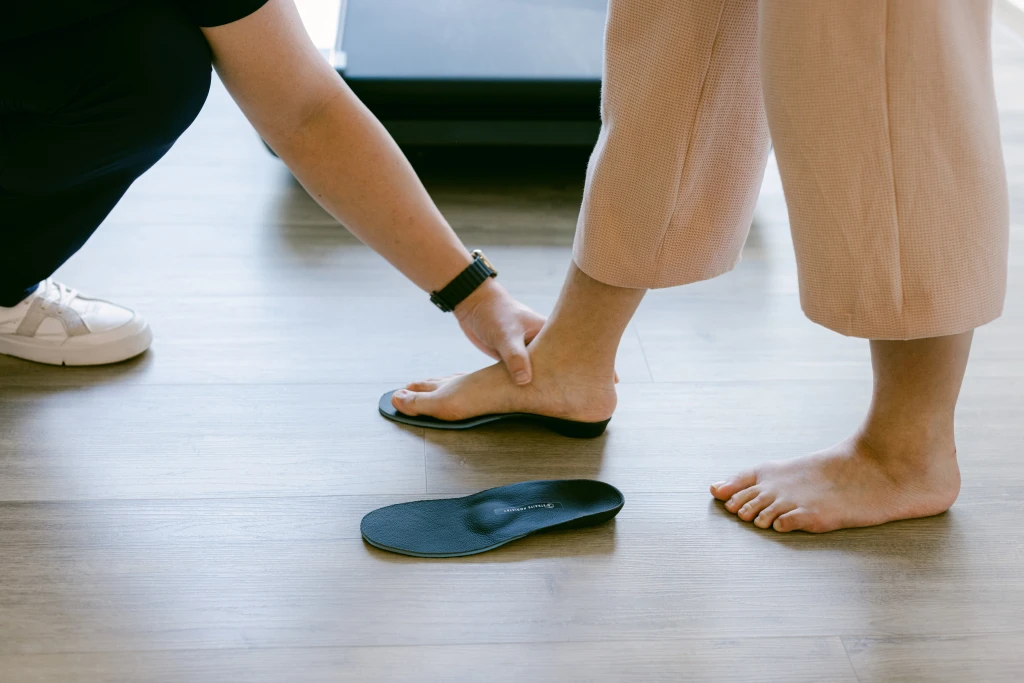
- Orthotic Insoles: Where the assessment shows the arch is genuinely driving the problem, custom orthotics can redistribute load and reduce the overpronation-related strain on the plantar fascia. They are not needed by everyone with flat feet, and they do not permanently change the arch.
- Stability Shoes: Footwear with built-in pronation control can be beneficial.
High Arches
- Cushioned Insoles: High arches require cushioning to balance out the pressure points on the foot.
- Shock-Absorbing Footwear: Shoes with good cushioning can help manage the discomfort associated with high arches.
Normal Arches
- Regular Footwear Check: Ensure your shoes are in good condition and offer adequate support.
- Preventive Exercises: Routine stretches and strengthening exercises can help maintain foot health. If you like to run, it is important to learn the tips to prevent running injuries.
Conclusion
Understanding your foot arch type is a useful part of preventing and managing plantar fasciitis, but it is one part, not the whole answer. I have a flatter arch myself, so I understand how that loading feels, not only how it reads on an assessment. In clinic, when someone comes in with plantar fasciitis and we do find a flat or high arch, we address that arch-driven loading as part of the plan rather than the whole of it. Reducing the mechanical stress matters, and so does addressing the other drivers we find, such as footwear, calf tightness, or training load, so the symptoms settle and stay settled.
Arming yourself with knowledge of your arch type is a good first step towards effective plantar fasciitis treatment and prevention. If you are unsure about your foot type, feel free to consult us or a healthcare provider for a comprehensive foot evaluation.
Reference: The association between pes planus foot type and the prevalence of foot disorders: the Framingham Foot Study, Osteoarthritis and Cartilage, 2013. Population data linking a flatter (planus) foot posture with a higher prevalence of foot pain and disorders.