
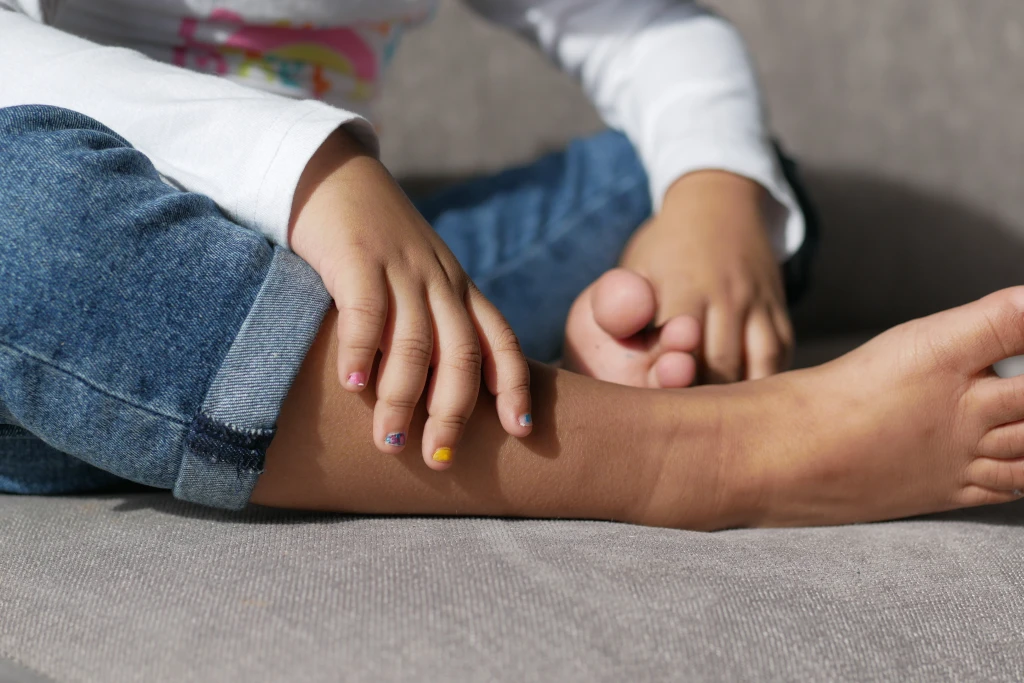
Understanding Growing Pains
Growing pains are a common childhood complaint that typically occurs in the legs. They often occur in the late afternoon or evening and last several hours. At the same time, they can be very uncomfortable. They are usually not a cause for concern and do not cause any long-term damage.
Symptoms of Growing Pain
Growing pains typically cause an aching or throbbing sensation in the legs. The pain usually occurs in the front of the thighs, the calves, or behind the knees. Some other common symptoms also include:
- Tiredness or fatigue
- Restlessness or difficulty sleeping
- Irritability or mood changes

What Causes the Pain?
The exact cause of growing pains is unknown. However, there are several theories as to what may contribute to their occurrence, and they include the following:
- Rapid growth spurts
- Muscle fatigue from increased activity
- Poor posture or foot mechanics
- Genetics
How to Treat the Pain?
While there is no specific cure for growing pains, several treatment options can help manage the symptoms. Some of the most effective treatment options include:
- Massaging the affected area
- Applying heat or cold packs
- Stretching exercises
- Over-the-counter pain medications, such as ibuprofen or acetaminophen
In addition to these treatment options, ensuring your child gets enough sleep, eats a healthy diet, and engages in regular physical activity is vital. If your child's symptoms persist or become more severe, it's essential to seek medical advice.
Growing pains occur most frequently in the calves.
How Can Podiatry Help?
As podiatrists, we understand that growing pains can sometimes be a symptom of an underlying foot or ankle condition. For example, flat feet or high arches can cause muscle fatigue and lead to similar symptoms. If you're concerned about your child's pain, scheduling an appointment with a podiatrist is important.
Our team of podiatrists can thoroughly examine to determine if any underlying foot or ankle conditions may contribute to your child's symptoms.
Frequently Asked Questions on Growing Pain
At what age do you get growing pains?
Growing pains typically occur in children between the ages of 3 and 12, with most cases affecting children between the ages of 4 and 8. It is uncommon for adolescents and adults to experience the condition as it usually subsides as the child ages.
How long can growing pains last?
They are usually brief, with most episodes lasting for 10 to 30 minutes at a time. The pain can frequently occur, with some children experiencing flare-ups several times a week. However, the pain is usually intermittent and not constant. The condition can persist for several months or years but generally, resolve by the time the child reaches adolescence.
What can be mistaken for growing pains?
Growing pains can be mistaken for other conditions, such as fractures, infections, rheumatic disorders, or other underlying medical conditions. It is essential to consult with a podiatrist if your child is experiencing persistent or severe pain with swelling or redness. The podiatrist can thoroughly examine and rule out any other potential causes of the pain.
Are growing pains a real thing?
Yes, growing pains are an actual medical condition. The pain typically occurs in the legs, particularly in the thighs, calves, and behind the knees. While its exact cause is not fully understood, it is believed to be related to children's normal growth and development of bones and muscles.
How do growing pains start?
Growing pains usually start in the evening or at night and can wake the child up. The pain is often described as aching or throbbing and can happen in one or both legs. The pain can also vary in intensity, with some children experiencing mild discomfort while others may experience more severe pain. Massaging the affected area, stretching, or applying heat generally helps to relieve the pain.
How painful are growing pains?
Growing pains can be painful for some children but is usually not severe. The pain is often aching or throbbing, ranging from mild to moderate intensity. The pain is typically intermittent and is not constant. Most children can resume their normal activities once the pain subsides. If the pain is severe or persistent, consulting with a podiatrist for further evaluation and treatment is essential.
Conclusion
Growing pains are a common childhood complaint that can be uncomfortable and concerning for parents. While no specific cure exists, several treatment options can help manage the symptoms. However, accurate diagnosis is critical to prevent missing out on an actual underlying condition, and causing delayed treatment.
Therefore, as podiatrists, we recommend taking the time to rule out any underlying foot or ankle condition in your child before concluding it as growing pains. If you're concerned about your child's growing pains, scheduling an appointment with a podiatrist is important. Our team of podiatrists can perform a thorough examination and provide you with the best possible treatment options to help manage your child's pain.
If you're in Singapore looking for a podiatry clinic, we invite you to visit Straits Podiatry. Our team of podiatrists can provide the best care for all your foot and ankle needs. Contact us today to schedule an appointment.