
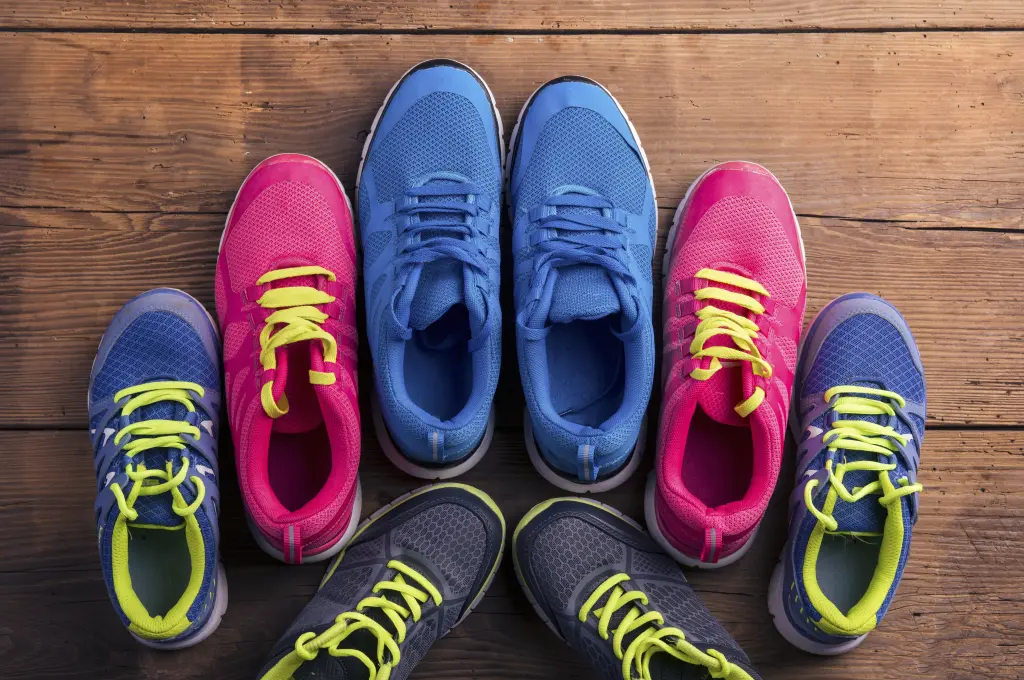
If you have gone down the rabbit hole of searching for the best shoe for plantar fasciitis, I want to save you some money and some frustration. I have had patients spend thousands chasing that shoe, watching video after video from podiatrist influencers and buying whatever was recommended, only to end up in the same plantar fasciitis pain they started with. So I tell them what I will tell you here. There is no best shoe for plantar fasciitis. There is only an appropriate shoe, and the right one for you depends on your feet, your gait, and how you spend your day.
Do the right shoes actually help plantar fasciitis?
Yes, and a good shoe is the foundation of managing this problem, whether or not you end up in orthotics. A supportive shoe reduces the stress travelling through the heel with every step, and it gives everything else you do a stable base to work from. What a shoe cannot do is fix the causes sitting underneath the pain. So think of footwear as the floor you build on, not the whole house.
What to look for in a shoe for plantar fasciitis
When I run through footwear with a patient, I am looking for a specific set of features. In rough order of importance:
- A cushioned but stable midsole. You want cushioning to absorb load, but not so soft that the shoe feels bouncy or wobbly when you walk. Too soft is as much of a problem as too hard, because an unstable platform makes your foot work harder to stay balanced.
- A firm heel counter. That is the cup at the back of the shoe. Squeeze it. If it collapses easily, the shoe will not hold your heel steady. A firm heel counter controls unwanted movement and takes strain off the fascia.
- A stiff midfoot, so the shoe only bends at the ball of the foot. This is the one most people get wrong, and older advice online often gets it wrong too. A good shoe should bend where your toes bend, not through the middle. If you can twist the shoe like a towel or fold it in half easily, it is not giving you a stable platform for a proper heel-to-toe gait. A shoe that bends through the middle also allows too much twisting force through the foot, which lets it roll in and out excessively and drives up the strain on the plantar fascia.
- A slight heel-to-toe drop, around 9 to 13mm. I personally prefer this range for plantar fasciitis, and here is the reasoning. A small heel raise takes some of the tension out of the calf, and because the calf connects through the Achilles tendon into the plantar fascia across the heel bone, easing the calf eases the fascia. Less tension means less stress, and less stress means less pain. The link is well documented. A Singapore study found a clear correlation between calf (gastrocnemius) tightness and the severity of heel pain in plantar fasciitis.
- A removable insole. This matters more than people realise, because it lets you take out the flimsy factory insole and fit a custom foot orthotic when one is needed.
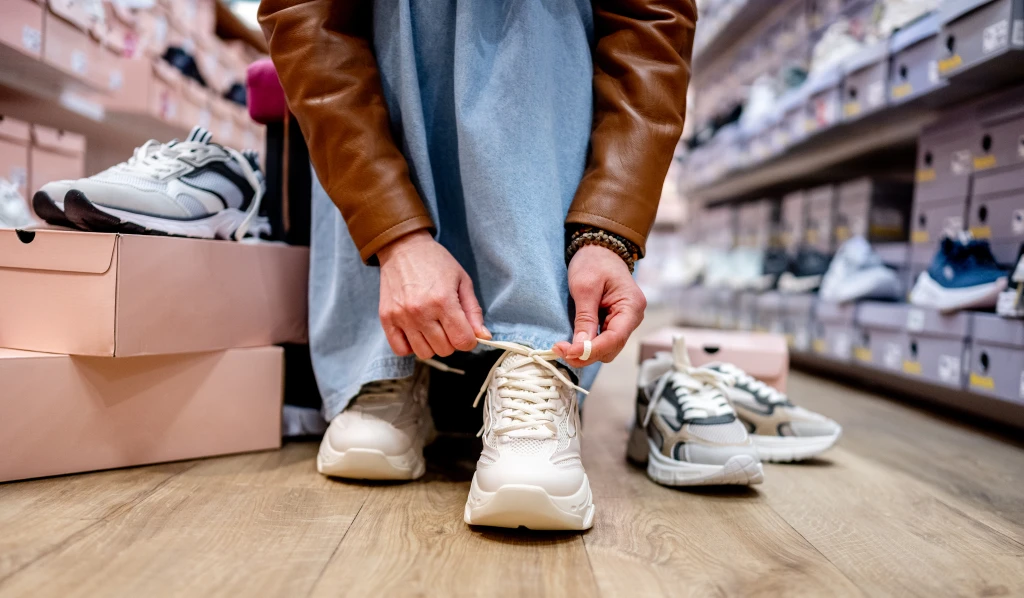
- Proper laces. Laces let you adjust the fit and hold your foot back in the heel cup where it belongs. A shoe you can slip on without adjusting rarely holds the foot as well.
Why I discourage barefoot and zero-drop shoes for plantar fasciitis
The minimalist or barefoot shoe is my hardest no for plantar fasciitis. A zero-drop shoe removes exactly the small heel raise that takes tension off the calf and fascia, so for most people with heel pain it makes the problem worse. The only exception I make is a patient with genuinely good ankle range of motion, and that is something to be assessed, not assumed.
For the same reasons of support and stability, I also steer people away from ballet flats, heels, and thin-soled sneakers, along with anything you can twist and bend without effort. The rule of thumb is simple. A proper shoe should only bend at the ball of the foot.
Do you need custom orthotics as well as good shoes?
It works both ways, and the shoe comes first. A supportive shoe on its own reduces the stress on your foot, and when an orthotic is needed, that same shoe gives the orthotic a stable platform to do its job properly. One does not replace the other.
I will add one honest caveat I give patients. Unless your job genuinely requires you to be in ballet flats, I would never ask you to have a custom orthotic made to squeeze into flats. Fix the shoe first, and let the orthotic go into a shoe that can actually support it.
The mistakes I see most often
Wearing dead shoes. The most common story I hear is that a shoe helped a lot at first, but lately it just does not give the same support. Almost every time I check, the shoe is worn out. The materials in a shoe have a shelf life, much like a car tyre. Once the cushioning and structure break down, the shoe stops reducing foot stress the way it used to, even if it still looks fine on the outside. If you are active, you have to refresh your shoes regularly.
Chasing the best shoe online. As I said at the start, there is no best shoe, only an appropriate one. Influencer recommendations are usually sponsored, which makes them biased, and they are made without ever seeing your feet or your gait. A shoe that transformed someone else’s heel pain may do nothing for yours.
Inconsistent stress. Plenty of people wear supportive shoes out of the house, then go completely barefoot at home, which keeps their foot stress swinging up and down. It is worse if you buy good shoes but spend most of your day at home on hard tiled floors, which is common in Singapore. Consistency matters more than the logo on the shoe.
It is never just the shoes
Here is the part I most want you to take away. If you have been going from shop to shop hunting for the perfect shoe, the shoe is only one piece of your problem. When someone is not improving, I am looking at the rest of the picture. How do you walk? Is there underlying stiffness or muscle weakness? Is the painful foot compensating and taking extra load because of something else going on? Did your activity suddenly increase, and did you train sensibly? It is never only about the shoes, and I sometimes wish being a podiatrist were that simple. This is also why footwear or stretching alone often does not settle the problem, and why an assessment of how you load the foot tends to be what moves things forward.
Wearing supportive shoes in Singapore’s heat
Closed shoes all day in this climate are not the most comfortable idea, I know. The good news is that the body acclimatises quickly. Most of it comes down to discipline and getting through the initial inertia, and once you are used to it, the freedom of moving without pain is worth the effort.
The harder situation is a job with a strict dress code. I do hope employers pay closer attention to this over time, because letting staff wear appropriate footwear is part of looking after their well-being. For now, when a patient’s work requires a specific shoe, we make up for it in other ways, usually with better orthotic support or with shockwave therapy to help manage the foot stress and speed recovery along.
If your heel pain is not settling despite changing your shoes, that is your sign the problem needs more than footwear. Book a consultation with any of our podiatrists at any of our three clinics in Singapore, and we will work out what is actually driving it.
Frequently Asked Questions About Shoes for Plantar Fasciitis
What are the best shoes for plantar fasciitis?
There is no single best shoe. The right shoe has a cushioned but stable midsole, a firm heel counter, a stiff midfoot so it only bends at the ball of the foot, a slight heel-to-toe drop of around 9 to 13mm, a removable insole, and proper laces. The appropriate shoe for you also depends on your gait and how you spend your day, which is why a shoe alone rarely fixes the problem.
Are barefoot or zero-drop shoes good for plantar fasciitis?
For most people with plantar fasciitis, no. A zero-drop shoe removes the small heel raise that takes tension off the calf and, through the Achilles, off the plantar fascia. That tends to make heel pain worse. The occasional exception is someone with genuinely good ankle range of motion, which should be assessed rather than assumed.
Do I still need orthotics if I have supportive shoes?
Not always. A supportive shoe is the foundation and can be enough on its own. When it is not, a custom orthotic adds targeted support, and the supportive shoe gives that orthotic a stable base to work from. The two work together rather than one replacing the other.
How often should I replace my shoes?
Sooner than most people think. The cushioning and structure of a shoe break down with use, like a car tyre, and a worn shoe stops reducing foot stress even when it still looks fine. If a shoe that used to help has stopped helping, it is often simply worn out. Active people in particular need to refresh their shoes regularly.
References:
- Correlation Between Gastrocnemius Tightness and Heel Pain Severity in Plantar Fasciitis, Foot & Ankle International, 2021.