
Introduction
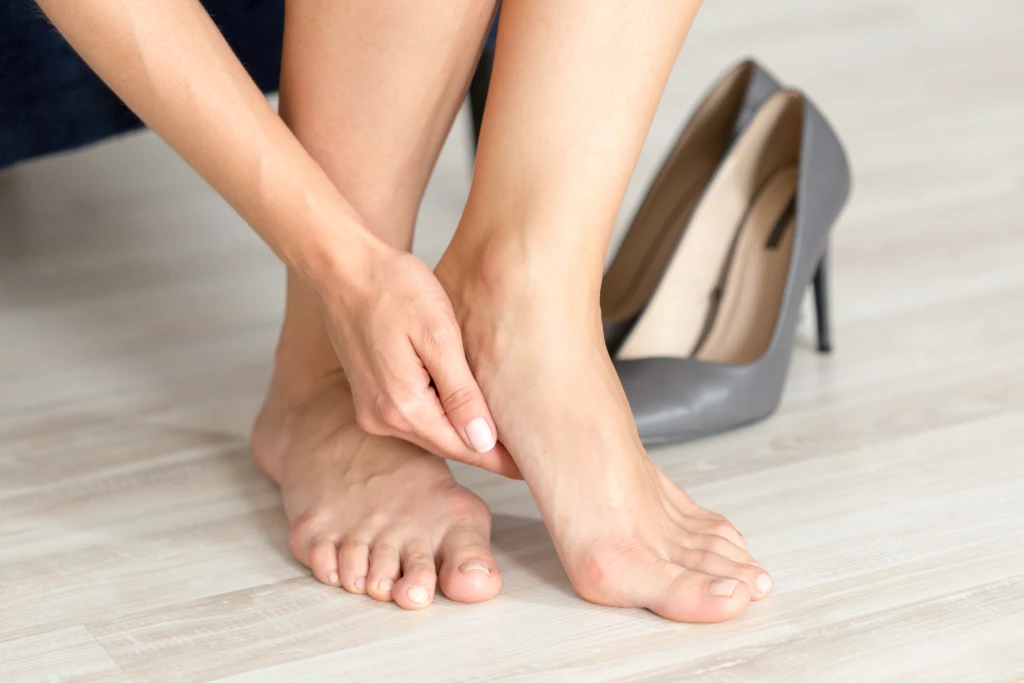
Heel pain is a common issue that many Singaporeans face, especially given the city-state's urban environment. The combination of long commutes, extensive walking, and the choice of footwear can contribute to this problem. Through this article, we aim to provide practical lifestyle changes to help you prevent or alleviate heel pain in Singapore's unique urban setting.
Why is Heel Pain a Concern in Singapore?
Heel pain is getting more common in Singapore due to factors such as:
- Extensive walking on hard surfaces like concrete
- Lack of awareness about the importance of good shoes
- Culture of not wearing footwear at home when it's tile flooring
- Common tendency to neglect pain in the feet
Walk Smart
One of the simplest yet most effective ways to prevent heel pain is to be mindful of how and where you walk. Here are some tips:
- Choose the Right Path: Avoid hard surfaces when you walk, especially if you are barefoot.
- Mind Your Step: Pay attention to your gait. A balanced, even step can reduce pressure on your heels. If you need to walk fast, do so, but take smaller steps. Overstriding can cause repetitive high impact on your heels.
Choose the Right Footwear
Footwear plays a crucial role in preventing heel pain. Here's what to look for:
- Support: Ensure your shoes have good support for the arch and heel to distribute weight evenly.
- Cushioning: Opt for shoes with sufficient cushioning, especially around the heel area. Take note that cushioning is not the same as flexibility. The shoe should be soft but not easily bendable in all directions.
- Fit: Make sure your shoes fit well. Loose or tight shoes can both contribute to heel pain.
You should also choose the right footwear based on your foot type.
Incorporate Foot Exercises
Regular foot exercises can help strengthen the muscles and ligaments around your heel, reducing the risk of heel pain. Some effective exercises include:
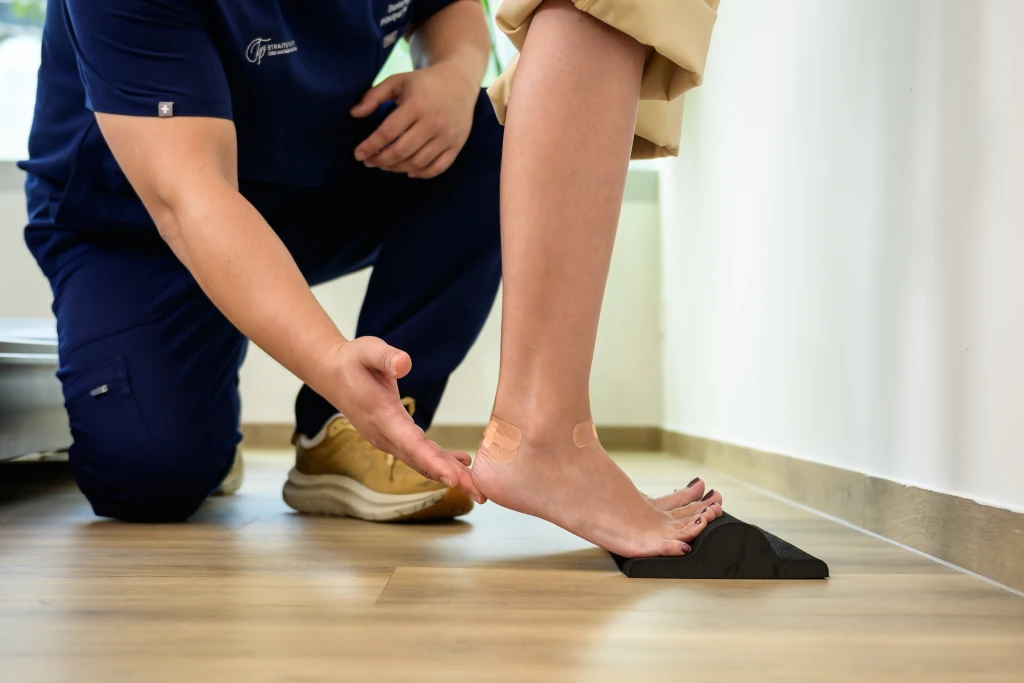
- Heel Raises: Stand flat on the ground and raise your heels, holding for a few seconds.
- Towel curl: While seated, place a towel on the floor and curl the towel using your toes.
Daily Stretches
Believe it or not, most people forget about recovery work. We spend long hours each day fatiguing our muscles, and they will become tense over time. The increase in tension will stress our tendons and fascia, which can cause Achilles tendinitis and plantar fasciitis. Therefore, it is essential that we spend 5 to 10 minutes each to perform a series of stretches to improve their flexibility. It is always good to perform calf, hamstring, and glute muscle stretch at the end of each day.
Conclusion
Heel pain in Singapore is an ever-growing concern, largely due to our urban lifestyle. However, with some practical lifestyle changes, you can significantly reduce your risk. From walking smartly to choosing the right footwear and incorporating foot exercises, these tips can go a long way in keeping your heels healthy.
Related Articles